TopFiveFind may earn from qualifying purchases. Rankings are editorial starting points, not hands-on test claims.
Home/Vacuum Sealers/Kidde Hardwired Smoke & Carbon Monoxide Detector, 10-Year Battery Backup, Voice Alerts, i12010SCO
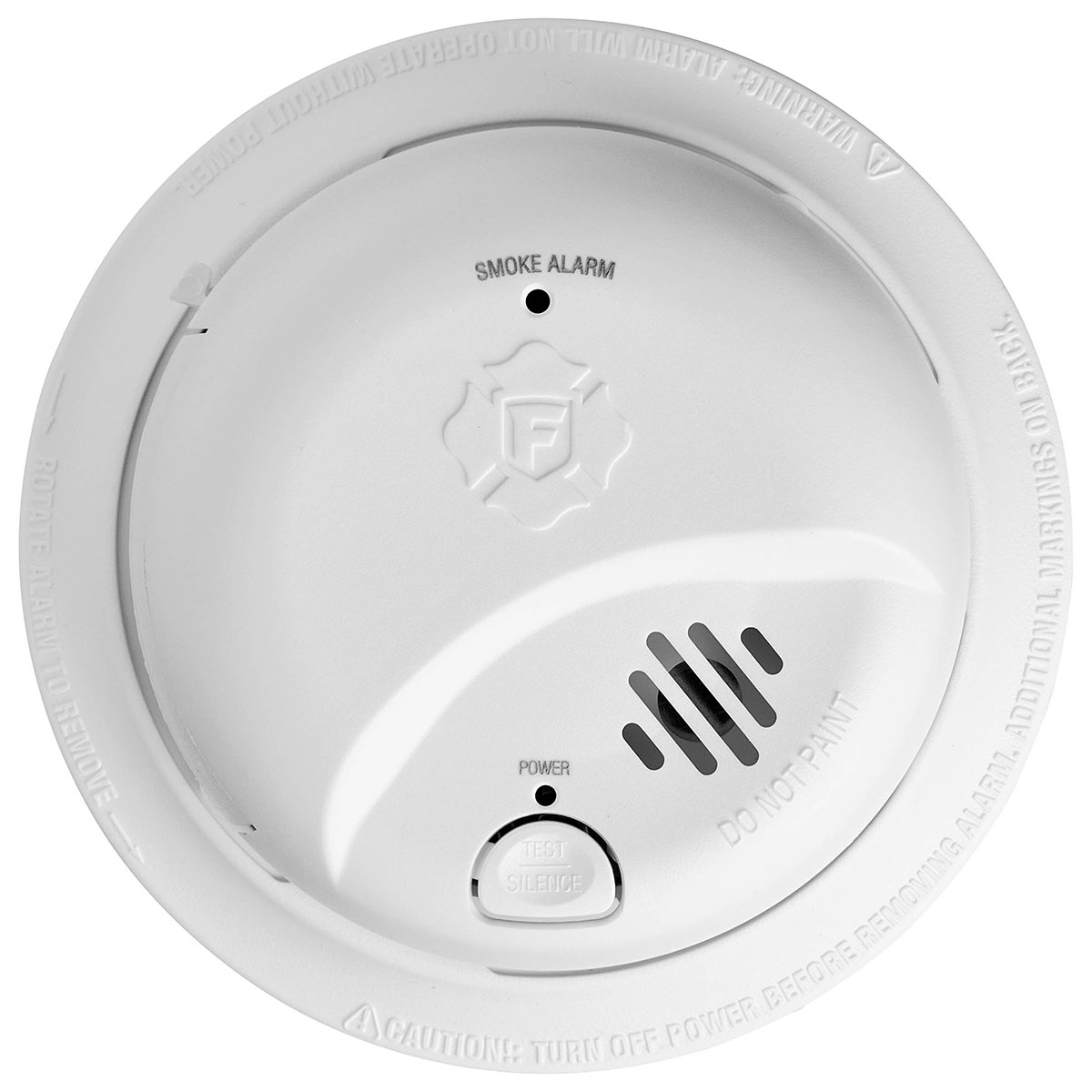
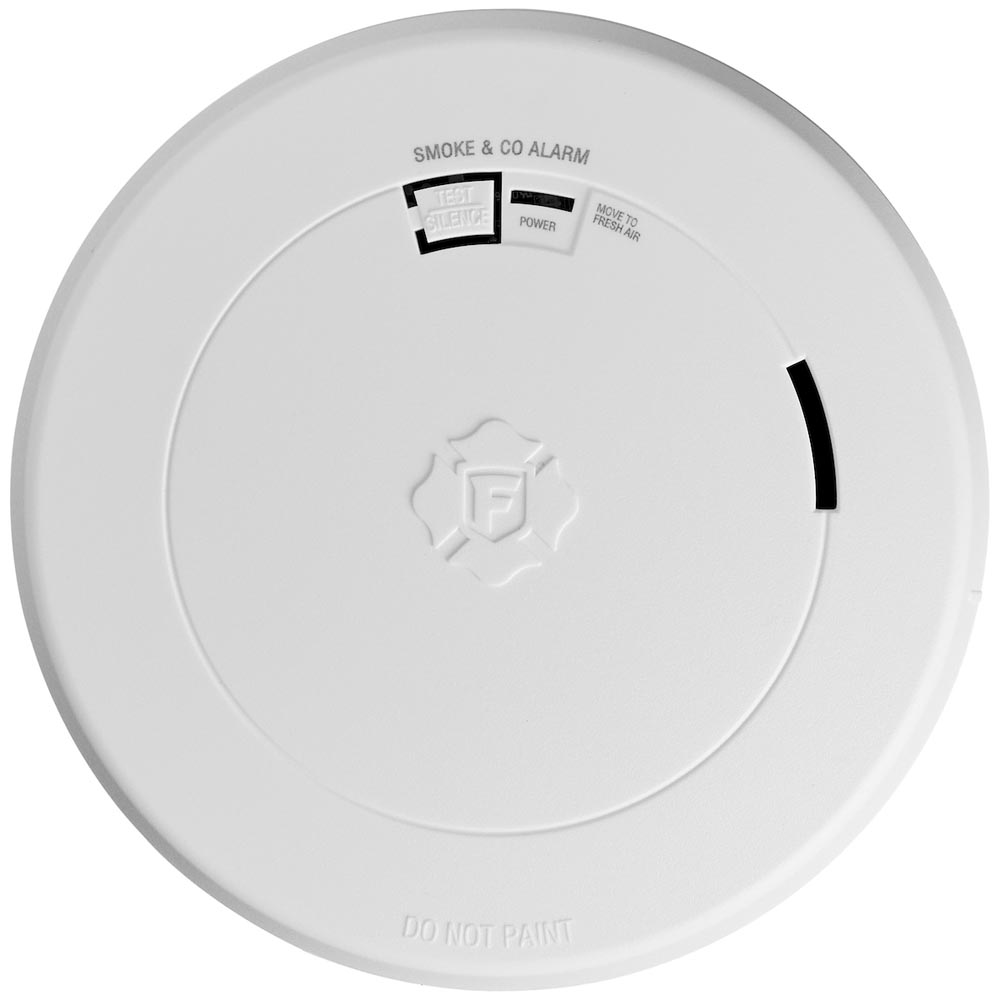
Kidde Hardwired Smoke & Carbon Monoxide Detector, 10-Year Battery Backup, Voice Alerts, i12010SCOProduct image from current catalog data
Best Hardwired Combo with Voice Alerts

Kidde Hardwired Smoke & Carbon Monoxide Detector, 10-Year Battery Backup, Voice Alerts, i12010SCO

By Kidde

8.9Excellent matchFeature and use-case score

A hardwired smoke and carbon monoxide alarm combining an ionization smoke sensor with an electrochemical CO sensor, backed by a sealed 10-year lithium battery and voice alerts that announce the specific hazard.

  • Combined ionization smoke sensor and electrochemical CO sensor
  • Hardwired (AC wire-in) with a sealed 10-year lithium battery backup
  • Voice alerts announcing "Fire
See Price at the store →Price, delivery, and configuration can change at the retailer.
ByTopFiveFind Research Desk

How this was made: AI-assisted research and drafting organize the evidence. Exact product identity, source claims, owner-feedback patterns, conflicts, and publication checks are documented before indexing. No hands-on or human-expert testing is claimed unless a page explicitly shows that evidence. Read the full methodology.

Best fitBest Hardwired Combo with Voice Alerts
CategoryVacuum Sealers
BrandKidde
Catalog score8.9 / 10

Product overview

Kidde i12010SCO: What to Know

Per Kidde's own product page, the i12010SCO is designed to wire directly into your home's electrical system (AC wire-in) while including a sealed 3-volt lithium battery backup rated for 10 years, meaning it keeps working through a power outage without needing a separate battery swap for the life of that backup cell. Kidde describes this as "Intelligent sensor technology" combining an ionization smoke sensor (which the company states is more responsive to smaller, less visible particles from flaming fires) with an electrochemical sensor specifically for carbon monoxide.

A distinguishing feature per Kidde's materials: the alarm gives voice warnings that announce "Fire!" or "Warning, Carbon Monoxide" by name, rather than relying solely on a generic tone pattern — useful for immediately understanding which hazard triggered the alarm without needing to interpret different beep patterns. It includes a test/hush button, and Kidde states its sensor technology is tuned to reduce nuisance alarms from cooking or steam.

Being hardwired, this model requires an existing electrical connection compatible with Kidde's wiring specifications, which is a different installation path than the fully battery-operated units in this guide (First Alert SMI100, X-Sense XS01-WR/WX) — plan for an electrician or existing smoke-alarm wiring if you don't already have compatible wiring in place.

Key Listed Features

01

Combined ionization smoke sensor and electrochemical CO sensor

02

Hardwired (AC wire-in) with a sealed 10-year lithium battery backup

03

Voice alerts announcing "Fire

04

Test/hush button with nuisance-alarm-reducing sensor tuning
Buying questions

Quick Answers

Does the voice alert tell me exactly where in the house the alarm triggered?

Kidde's own materials describe the voice alert announcing the hazard type ("Fire!" or "Warning, Carbon Monoxide") rather than a specific room location on this particular model — location-announcing features are more commonly marketed on other Kidde or First Alert models specifically advertised with that capability, so don't assume this exact model includes room-level location announcements unless confirmed on the current spec sheet.

Was this exact model recalled?

Our research turned up a 2014 CPSC recall notice covering certain Kidde smoke and combination smoke/CO alarms; we did not independently confirm whether the specific i12010SCO units currently sold are affected or represent a later, unaffected production run. If you already own or are considering this model, check the CPSC recall notice and Kidde's own recall-lookup tool directly using your unit's specific date codes rather than relying on the model number alone.