Best Stud Finders 2026: 5 Wall Scanners Compared
We compared 5 real stud finders on detection depth, edge vs. center finding, and honest AC-wire caveats, including a Franklin Sensors, Zircon, Bosch, DeWalt, and Craftsman model.
Quick answer
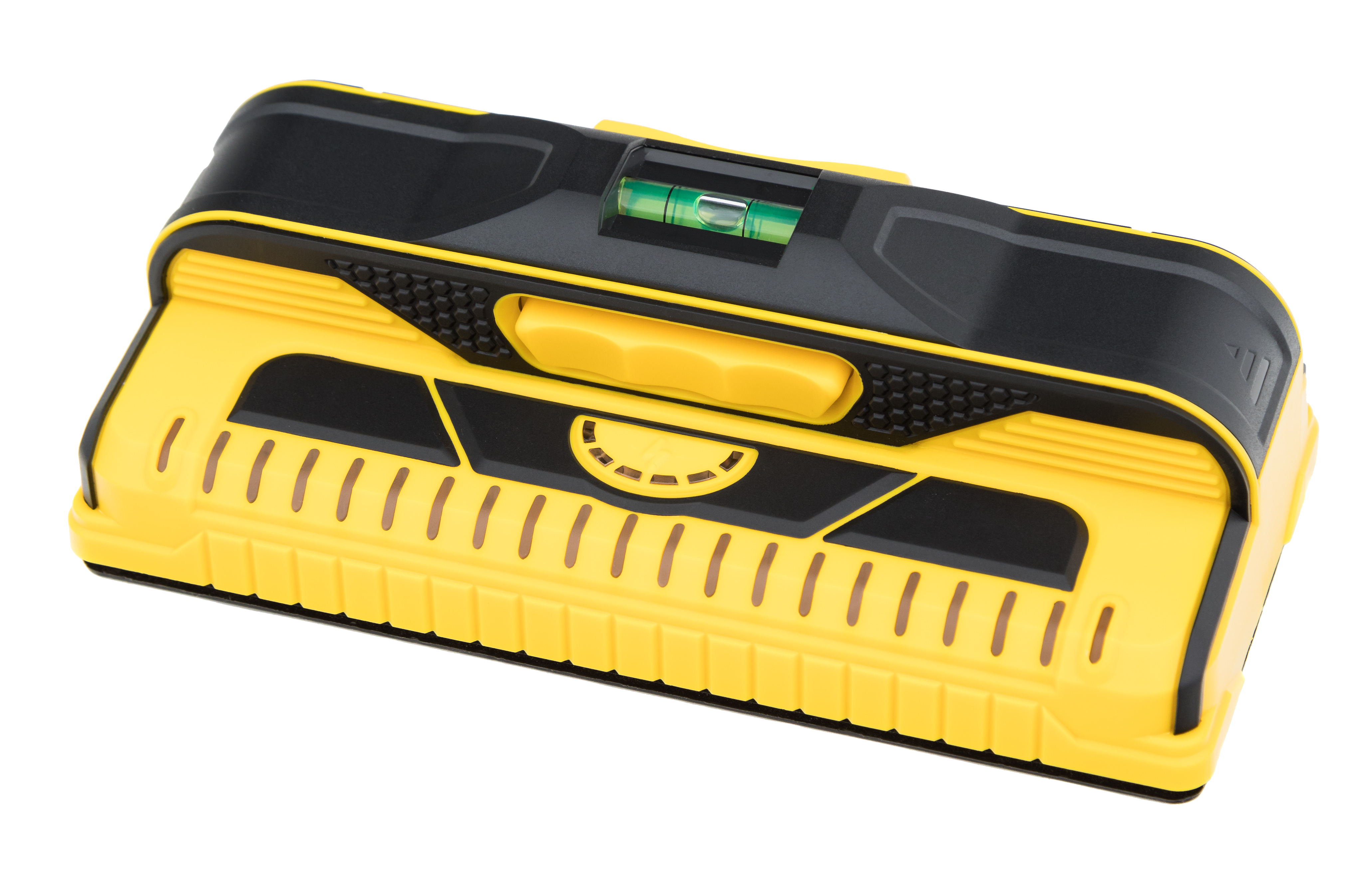
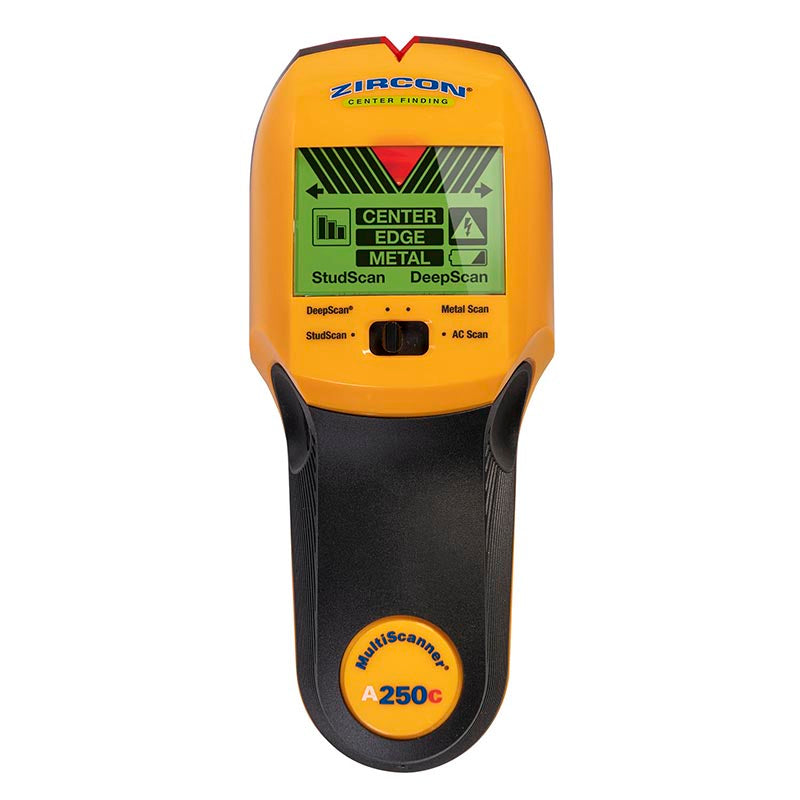
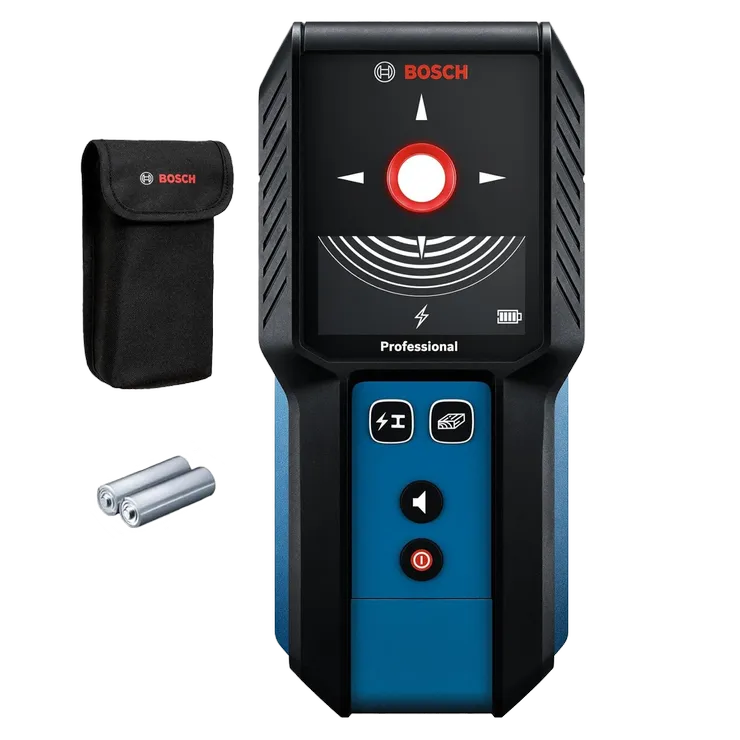
If you want the fastest, least fussy way to find a stud, the Franklin Sensors ProSensor M210 is the strongest all-around pick: its 13-sensor array lights up the full width of a stud instantly instead of making you sweep back and forth, and independent owner feedback consistently calls it more reliable on textured or oddly-shimmed walls than single-point scanners. It isn't the cheapest option here and its "live wire" warning is a bonus feature rather than a certified safety tool, but for the core job of not drilling into the wrong spot, it's the one we'd buy first. The Zircon MultiScanner A250c is the better choice if you specifically want deep metal and AC scanning modes bundled in one tool, and the Bosch GMS120-27 is the pick for tradespeople who need a rugged, IP54-rated scanner with the deepest published metal-detection range.
Updated September 2026Advertising DisclosureTop Relevant
✓Carefully researchedProduct data reviewed
◇Independent picksClear comparison criteria
▣Practical resultsBuilt around real use cases
$Price & valueFeatures compared clearly
Buyer checklist
How We Compared These Best Stud Finders: 5 Wall Scanners We Actually Checked Against the Specs
We pulled specs directly from each manufacturer's own product pages and instruction manuals (Franklin Sensors, Zircon, Bosch Professional, DeWalt, and Craftsman), cross-checked them against retailer listings at Home Depot, Lowe's, and Acme Tools, and read independent hands-on testing where it exists, including a depth-and-accuracy test of the Bosch scanner family and a published accuracy breakdown for a comparable DeWalt model. Two of the products originally on our shortlist required a substitution: the requested Bosch "GMS120" has been discontinued and replaced by the GMS120-27, and the requested DeWalt "DW0150" could not be confirmed as a genuine, brand-consistent Amazon.com listing, so we swapped in the DeWalt DW0100, a current model sold under a clean, manufacturer-matching listing. Both substitutions are disclosed in the product write-ups below.
Best Stud Finders: 5 Wall Scanners We Actually Checked Against the Specs Buying Questions
What's the real difference between edge-finding and center-finding stud finders?
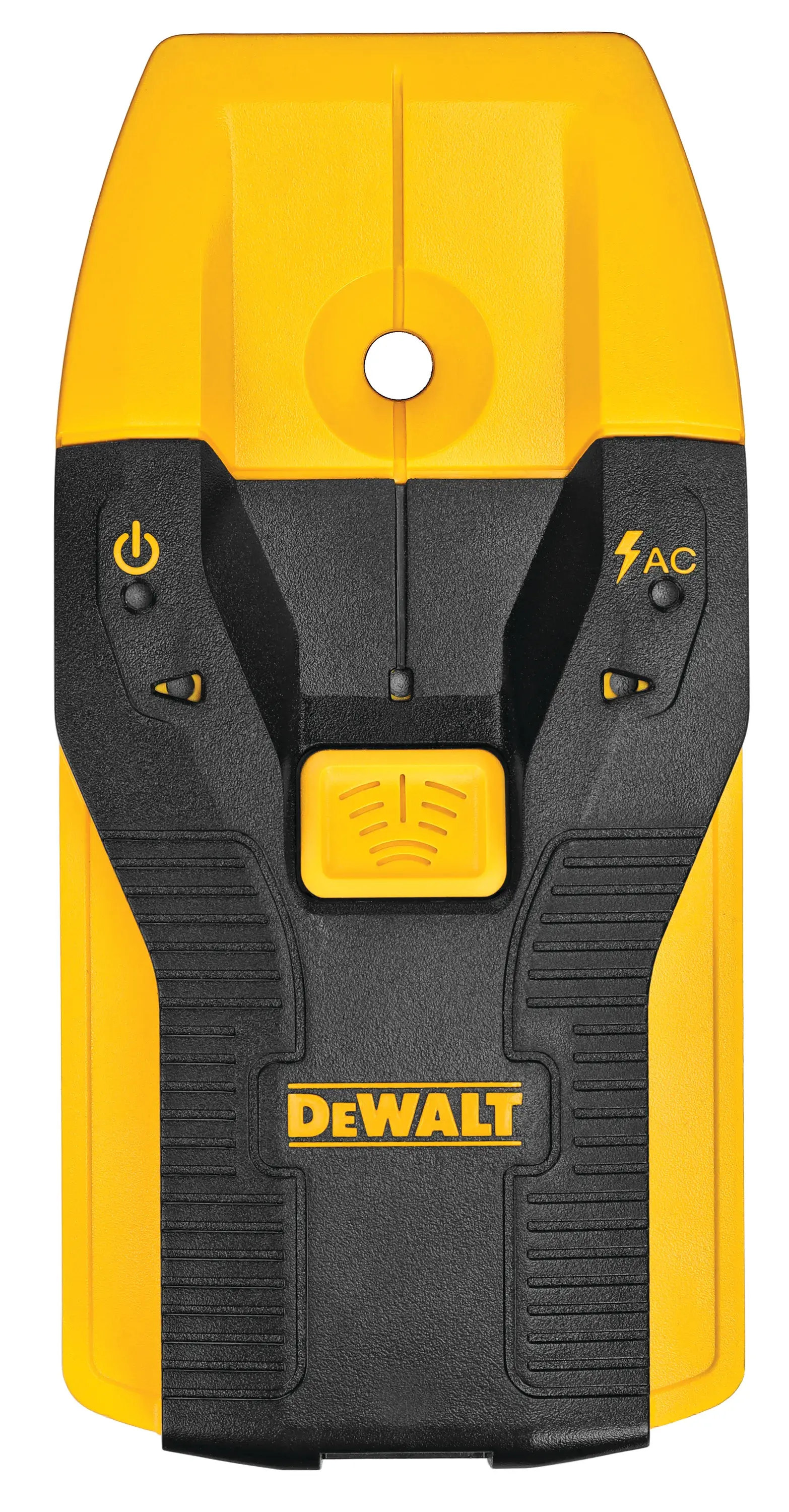
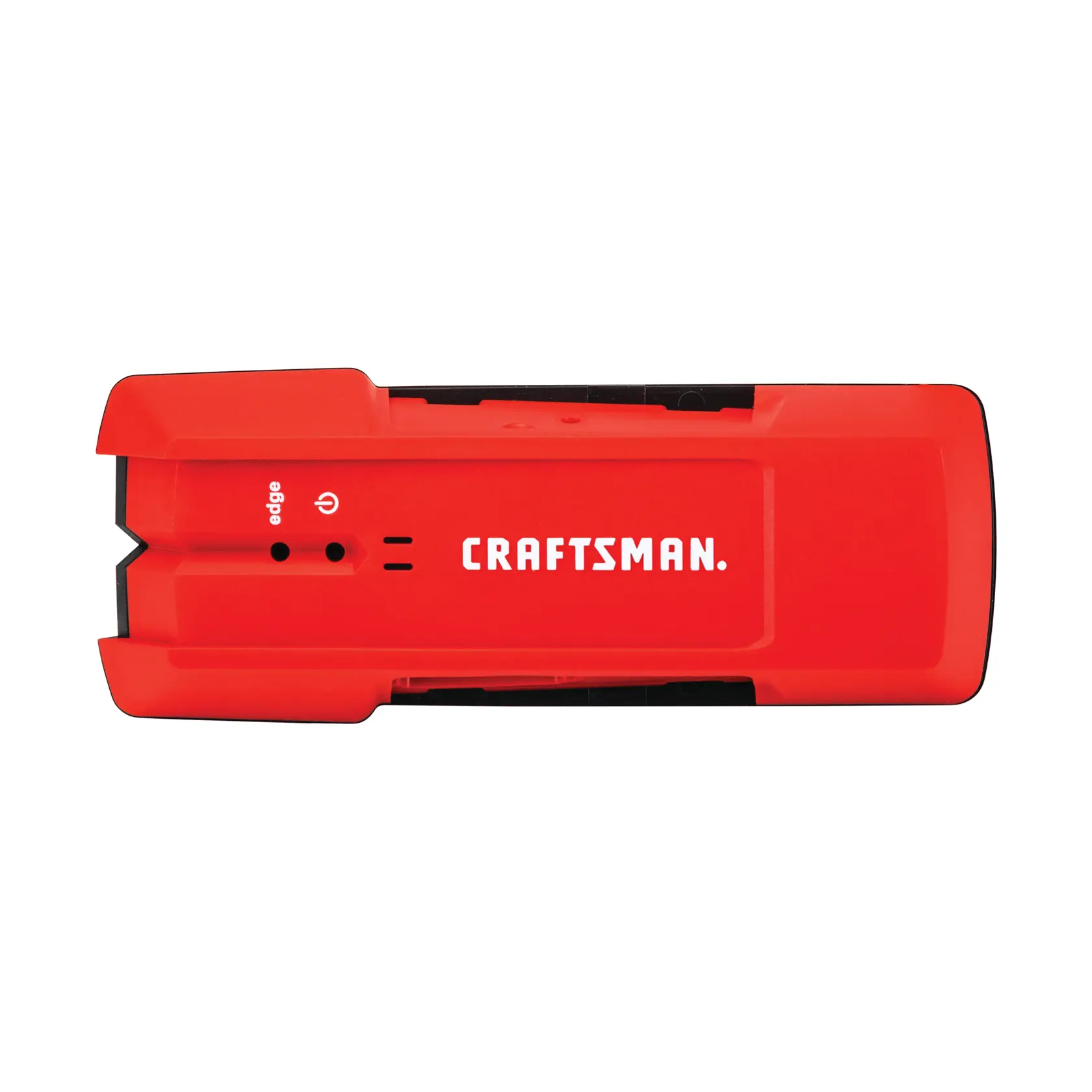
An edge-finding stud finder (like the Craftsman CMHT77633 here) beeps or lights up once as you slide it past each side of the stud, and you have to remember or mark both points to estimate the center yourself. A center-finding stud finder (like the DeWalt DW0100) uses multiple internal sensors to calculate and indicate the stud's center directly, usually with a dedicated LED or marking channel. Multi-sensor array tools like the Franklin Sensors ProSensor M210 blur the line: they show the stud's full width across a row of LEDs in real time, so you get edge and center information simultaneously without sweeping the tool back and forth. None of these is objectively 'more accurate' at finding a stud that's actually there — the difference is mainly workflow and how much interpretation you have to do yourself.
Can a stud finder actually detect live electrical wiring reliably, or is that overstated?
It's overstated if treated as a safety guarantee. AC-detection modes (on the Zircon A250c, Bosch GMS120-27, and DeWalt DW0100 in our lineup) work by sensing the electric field around unshielded AC wiring, typically within a few inches of the wall surface. Manufacturers' own fine print hedges this: Zircon's spec sheet says sensing depth and accuracy vary with wall material, moisture, and texture, and Bosch's documentation explicitly notes that wire inside metal conduit or shielded cable can go undetected because the tool senses the electric field, not the metal. None of these tools should be your only precaution — always cut power at the breaker before drilling or cutting into a wall you're not 100% sure about, and don't rely on an unlit LED as proof a wire isn't there.
Do stud finders work the same way through thick drywall or plaster as they do on standard 1/2-inch drywall?
No. Every published detection-depth spec (3/4 inch, 1.5 inches, and so on) is a best-case number measured on typical single-layer drywall under controlled conditions. Double-layer drywall, thick plaster-and-lath walls, textured or painted-over surfaces, and older horsehair plaster all reduce real-world range and increase false positives — this shows up directly in independent testing of comparable stud finders, where accuracy on double-layer drywall dropped sharply compared to single-layer walls. If you're working on an older or non-standard wall, expect to take multiple passes and treat any single reading with some skepticism rather than assuming the printed depth spec applies.