Buyer checklist
How We Compared These Ashwagandha Supplements
We read all five listings off the live Amazon.com pages, bullets and detail tables both, and compared them on what is stated: the named extract, the milligram amount per serving, the withanolide percentage and resulting amount where given, the servings per container, the form, and what manufacturing certification is claimed and by whom. The withanolide figure is the axis because withanolides are the compounds ashwagandha extracts are standardized on, so a milligram total without a percentage leaves the active amount unstated. We checked each listing against itself, which is how the Double Wood title-versus-bullet conflict surfaced. Every benefit claim on these pages is the seller's and we have repeated none as fact; these are dietary supplements whose claims have not been evaluated by the Food and Drug Administration for treating anything, which is what the asterisks on several of these listings point to. One thing none of these labels tells you and a clinician will: ashwagandha has documented cautions, it is not recommended in pregnancy, it can interact with thyroid and sedative medicines, and case reports of liver injury exist. We have not taken or tested any of these.
Ashwagandha Supplements Buying Questions
What is KSM-66 and why does the name appear on four of five?
KSM-66 is a branded ashwagandha extract made by a single Indian manufacturer, produced from the root only and standardized to a stated withanolide content, and it is the most heavily marketed ashwagandha ingredient in the supplement industry. Four of these listings name it because naming a branded ingredient is traceable in a way that generic ashwagandha is not: it points at a specific supplier, a specific extraction process and a published specification. What it does not do is tell you how much of it is in the product you are holding, which is why three of these four listings leave the most important question unanswered despite using the name.
What are withanolides and why is the percentage the number to find?
Withanolides are the group of compounds ashwagandha extracts are standardized on, which makes them the closest thing this category has to an active-ingredient measure. The consequence is that a milligram figure alone is incomplete: 600mg of an extract at 5 percent withanolides is a different product from 600mg at 1.5 percent, and the label has to state both for the first figure to mean anything. Nutricost is the only listing here that closes the loop, stating 600mg, 5 percent and the resulting 30mg per capsule. It is also the simplest arithmetic in the world, which makes its absence elsewhere a choice rather than an oversight.
Is a 20:1 extract the same as KSM-66?
No, and the distinction is the reason one listing in this guide needs checking before you order. KSM-66 is a specific branded, root-only, full-spectrum extract with a published specification. A 20-to-1 extract is a generic description of concentration, meaning twenty parts of raw material reduced to one part of extract, which says nothing about which part of the plant was used, how it was extracted, or what the withanolide content is. The Double Wood listing's title names KSM-66 at 600mg and its first bullet describes 500mg of a 20-to-1 extract. Both cannot describe the same capsule, so the thing to do is ask the seller which the bottle actually contains.
Capsules, caplets or gummies?
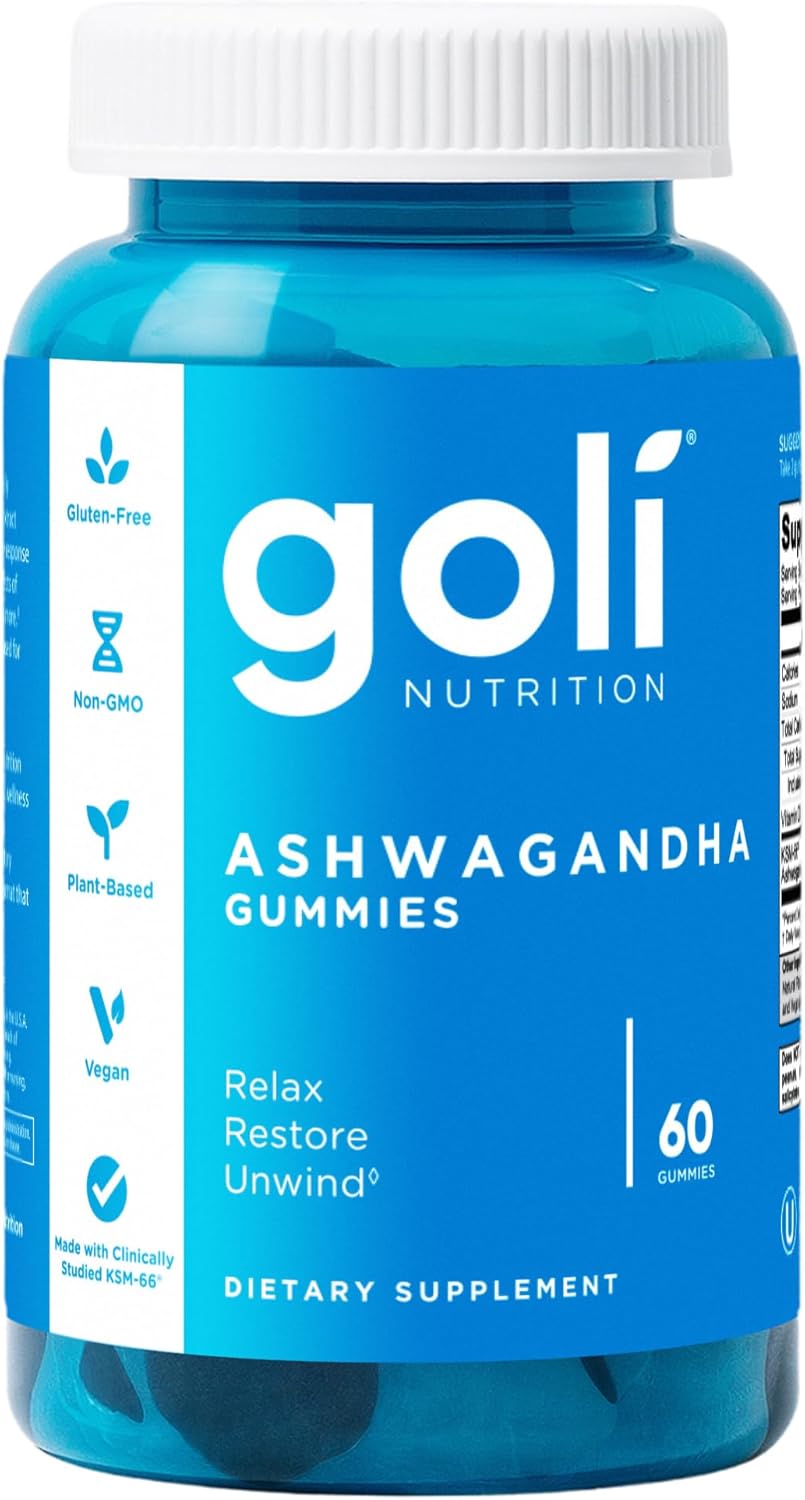
The form changes convenience and almost always costs you specification. The capsule products here are the ones that state amounts, and a vegetarian capsule is the plainest delivery there is. A gummy removes the swallowing problem entirely and tastes like confectionery, which is why people actually keep taking them, but the Goli gummies here state no milligram figure for either ingredient, and gummies in general carry sugar or sweeteners that a capsule does not. A coated caplet sits in between. If you want to know what you are taking, the evidence of this group is that capsules are where the numbers are.