TopFiveFind may earn from qualifying purchases. Rankings are editorial starting points, not hands-on test claims.
Best Wet/Dry Shop Vacuums (2026): Tested Specs Compared
We compared tank size, real running amps vs. peak HP, CFM, filters and hoses on five wet/dry shop vacs from RIDGID, DeWalt, Craftsman, Vacmaster and Shop-Vac.
Quick answer
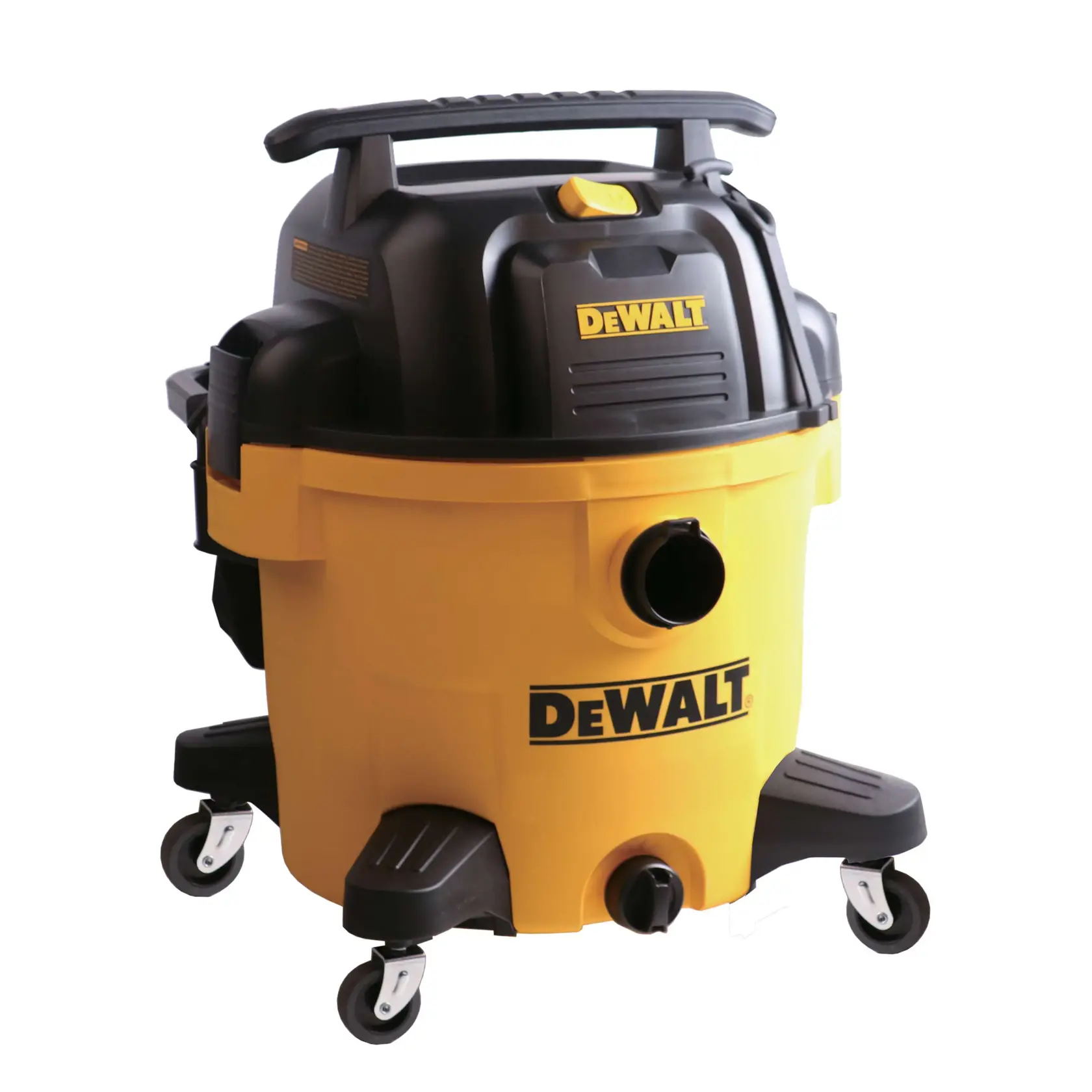
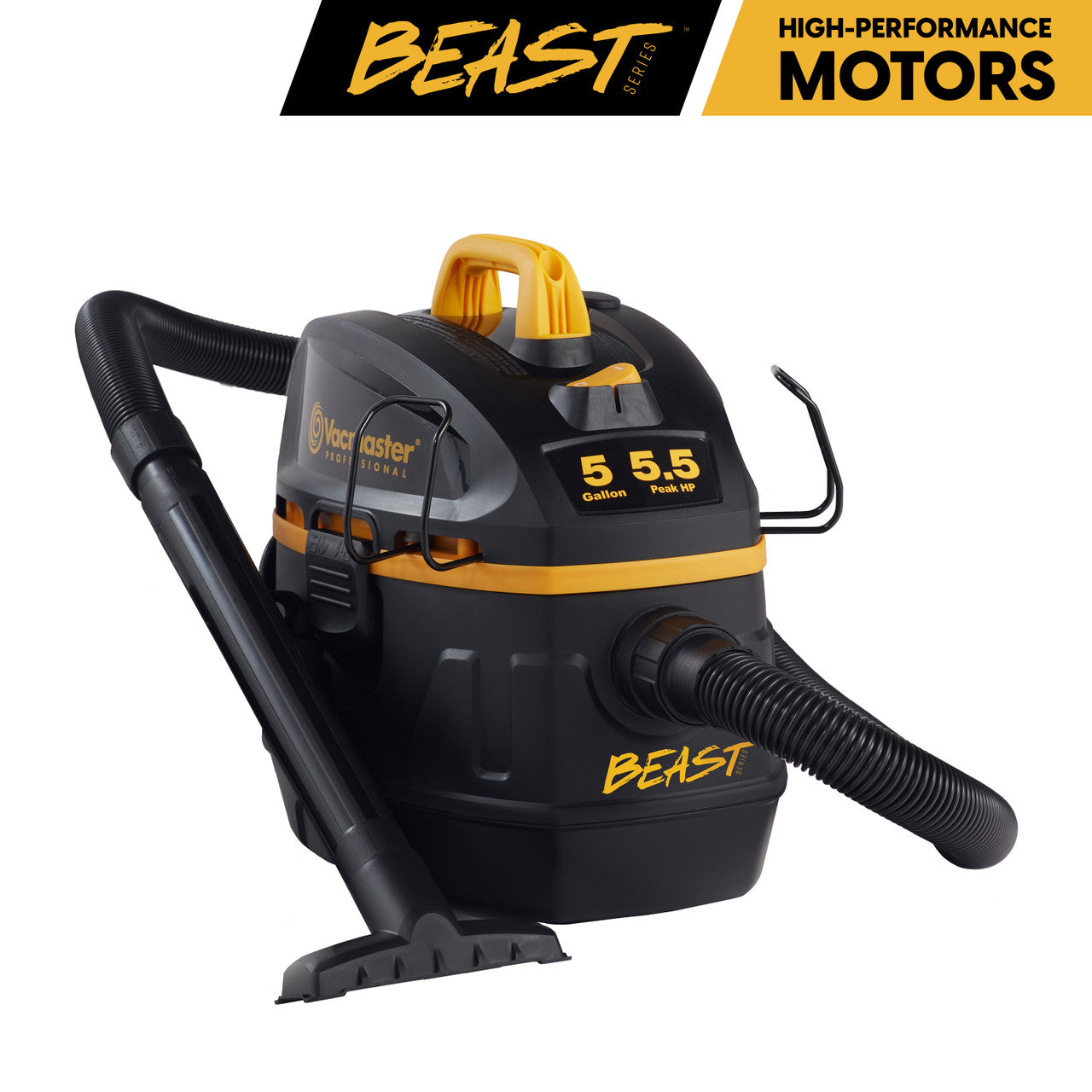
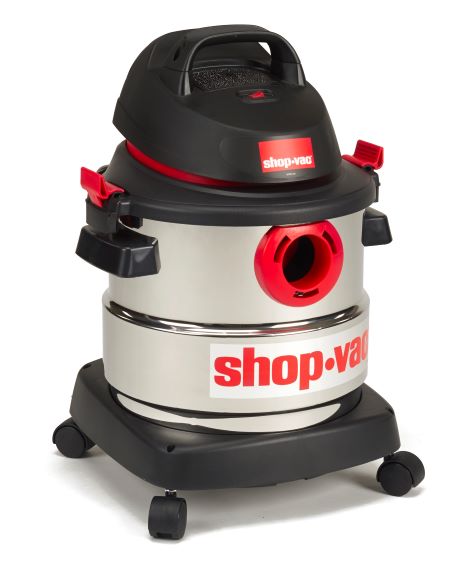
There's no single vacuum that wins on every metric, but the RIDGID RT1200 NXT (the same NXT-platform vac Home Depot bundles as the HD1200C) comes closest to an all-rounder: a 12-gallon tank, a manufacturer-published 130 CFM airflow figure, and a locking pro-grade hose that resists accidental disconnects mid-job, backed by RIDGID's long service history in the trade market. If you mainly need a compact, quiet unit for a car or small workshop, the DeWalt DXV10P's two-stage motor and 90 CFM rating make it a genuinely different, quieter tool rather than a smaller version of the same thing. Buyers doing big renovation cleanup should look at the Craftsman CMXEVBE17595 for its 16-gallon capacity, and anyone on a tight budget who mainly needs occasional wet pickup can reasonably choose the 5-gallon Shop-Vac or Vacmaster units instead of overpaying for capacity they won't use.
Updated September 2026Advertising DisclosureTop Relevant
How this was made: AI-assisted research and drafting organize the evidence. Exact product identity, source claims, owner-feedback patterns, conflicts, and publication checks are documented before indexing. No hands-on or human-expert testing is claimed unless a page explicitly shows that evidence. Read the full methodology.
#1
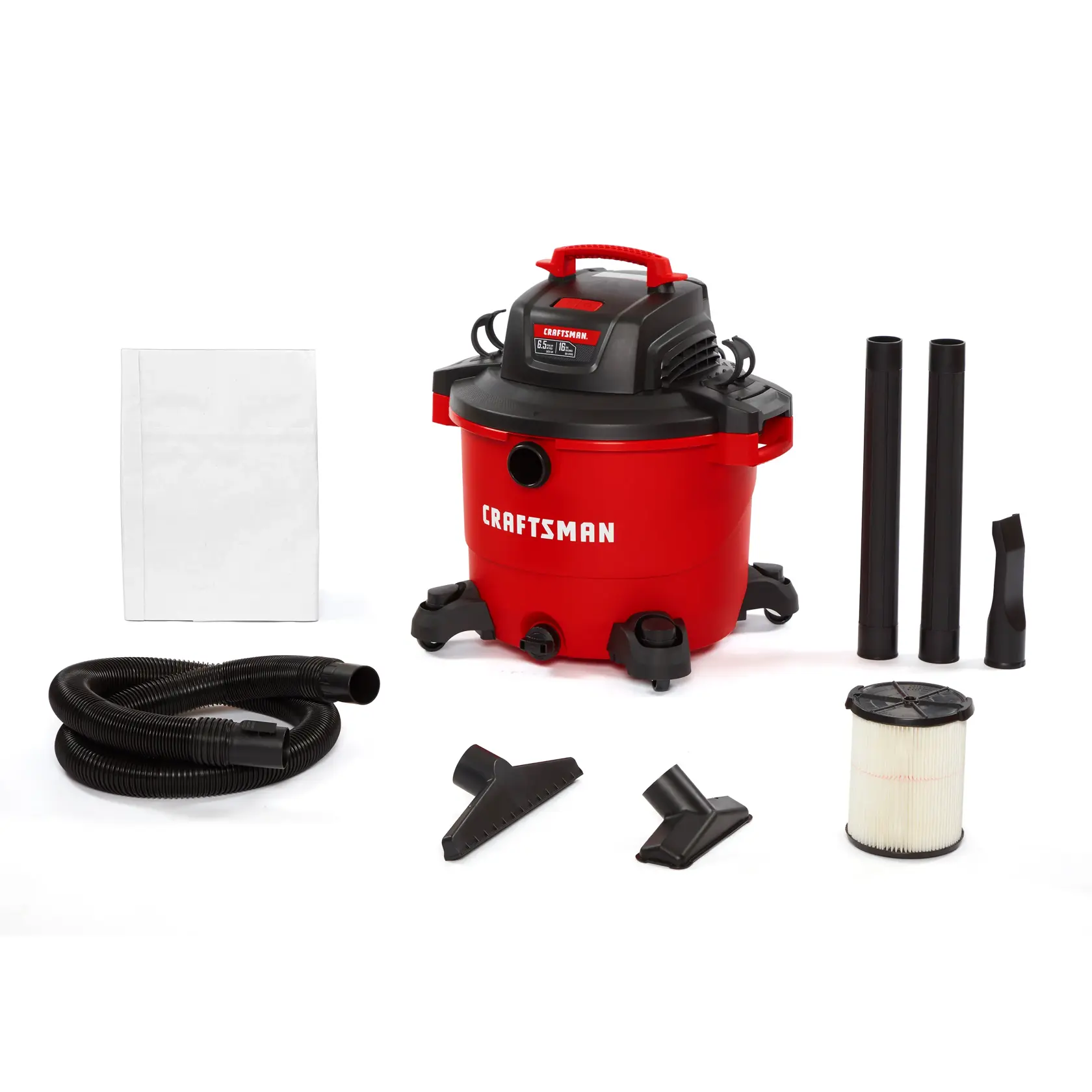
CRAFTSMAN CMXEVBE17595 16 Gallon 6.5 Peak HP Wet Dry Shop Vacuum | Heavy-Duty Wet and Dry Vac with Filter, Dust Bag, Hose and Attachments for Home Projects & Renovations
Craftsman
Why we like it
16-gallon tank, the largest capacity of the five vacuums compared here
2.5-inch by 7-foot Dual-Flex hose designed to resist kinking, plus a 20.5-foot power cord
Includes both a standard cartridge filter and a separate wet-application filter, plus a dust ...
We pulled tank capacity, peak HP, published running amps or running HP, CFM/airflow, filter type, hose dimensions, and cord length directly from each brand's own product pages and spec sheets, cross-checked against the exact Amazon listing for the same model number, and noted anywhere the sources disagreed rather than picking whichever number sounded best. We did not physically test these vacuums; this is a spec and sourcing comparison, not a hands-on lab review.
Best Wet/Dry Shop Vacuums Buying Questions
Is 'peak horsepower' on a shop vac a meaningful spec, or is it inflated marketing?
It's real inflated marketing, and the industry knows it. Peak HP is a momentary, instantaneous rating measured under lab conditions that don't reflect how the motor actually runs once it's plugged into a wall outlet and pulling continuous current. A far more honest number is the running amp draw the manufacturer publishes (most of these vacs list 9-11 running amps at 120V), which caps out around 1.5-1.8 continuous horsepower no matter how big the peak HP number on the box is. The FTC has scrutinized peak-horsepower claims on vacuum cleaners generally for exactly this reason. Use peak HP only to compare within one brand's own lineup, and use CFM/airflow and running amps to compare across brands.
Can a shop vac safely pick up standing water?
Most wet/dry shop vacs, including all five in this guide, are designed and rated for wet pickup, including standing water, provided you use them the way the manual specifies: the correct wet-application filter or foam sleeve installed (not a dry paper/dust filter), the float shutoff working so the motor cuts suction before water is drawn into the motor housing, and the unit unplugged before you empty the tank. They are not, however, rated for submersion, for pumping deep standing water like a sump pump, or for use as-is in a flooded basement with the vac itself sitting in water. Always check the specific filter and water-level guidance in that model's manual before a wet job.
Do all shop vac hoses and filters fit any brand of vacuum?
No, and this is one of the more common buyer mistakes. Hose diameters vary by brand and even by model within a brand (this guide's five vacs range from 1.25 inches to 2.5 inches), and cartridge filters, foam sleeves and dust bags are generally sized and keyed to fit one manufacturer's tank opening, not a universal standard. Some aftermarket and cross-compatible filters exist (Vacmaster explicitly sells filter bags marketed as fitting certain Shop-Vac models, for example), but you should confirm hose diameter and filter part number against the specific model you own before buying replacement parts, rather than assuming a filter from one brand's 5-gallon vac will fit another brand's 5-gallon vac.