5 Best Telescopes for Backyard Stargazing (2026)
We verified real Amazon listings and manufacturer specs on 5 telescopes, from Celestron's classic GoTo scopes to smart telescopes like the Unistellar eVscope 2, to help you pick the right one for home stargazing.
Quick answer
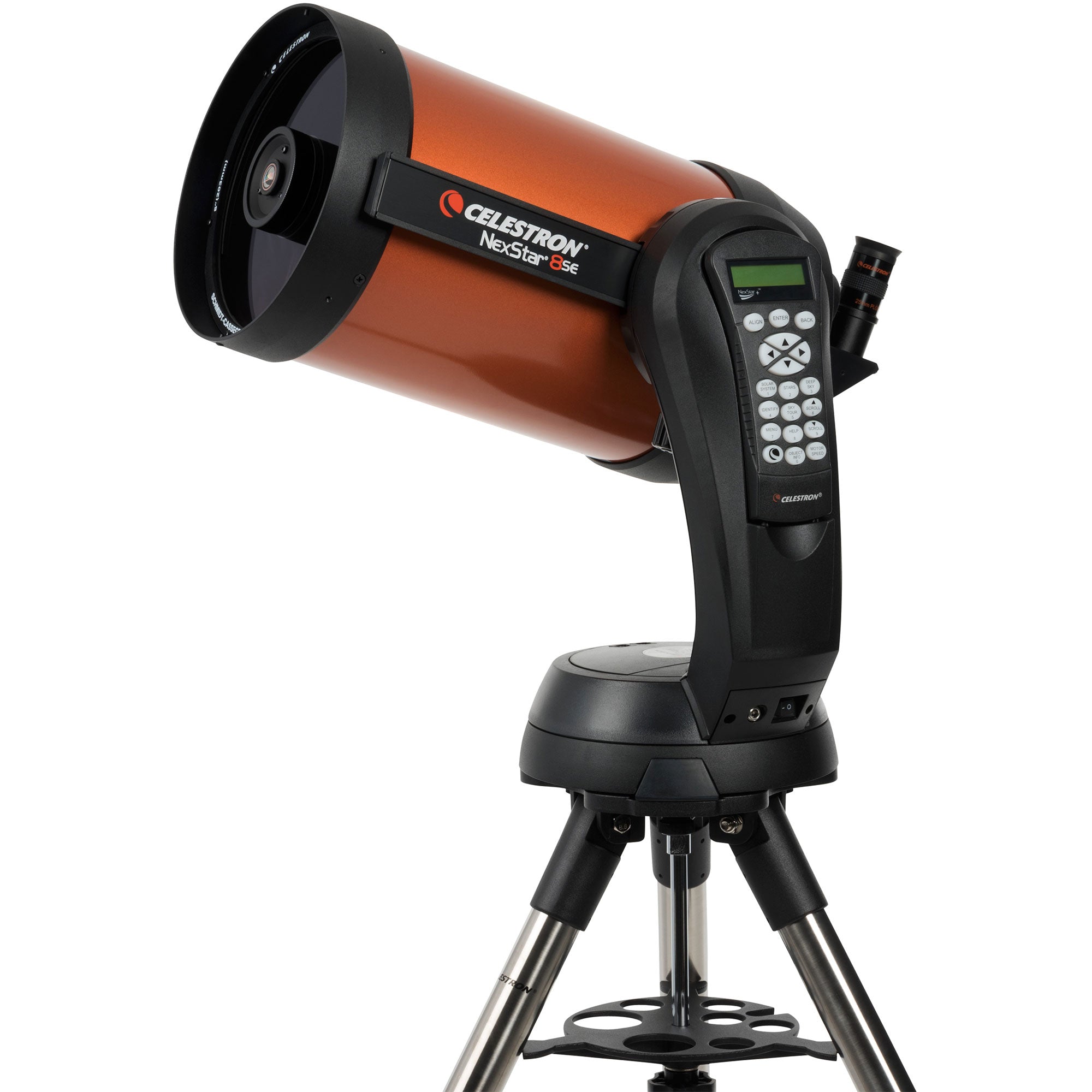
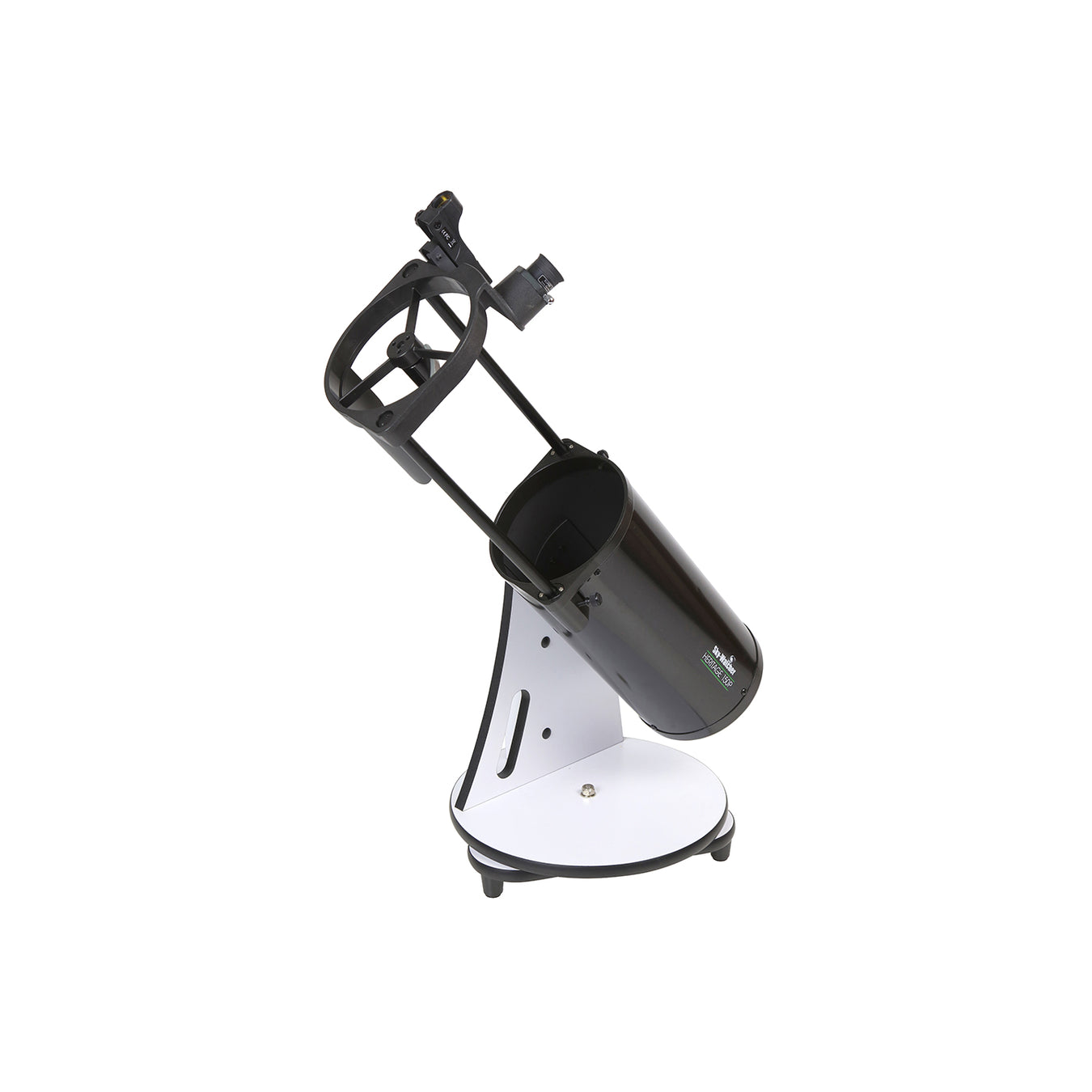
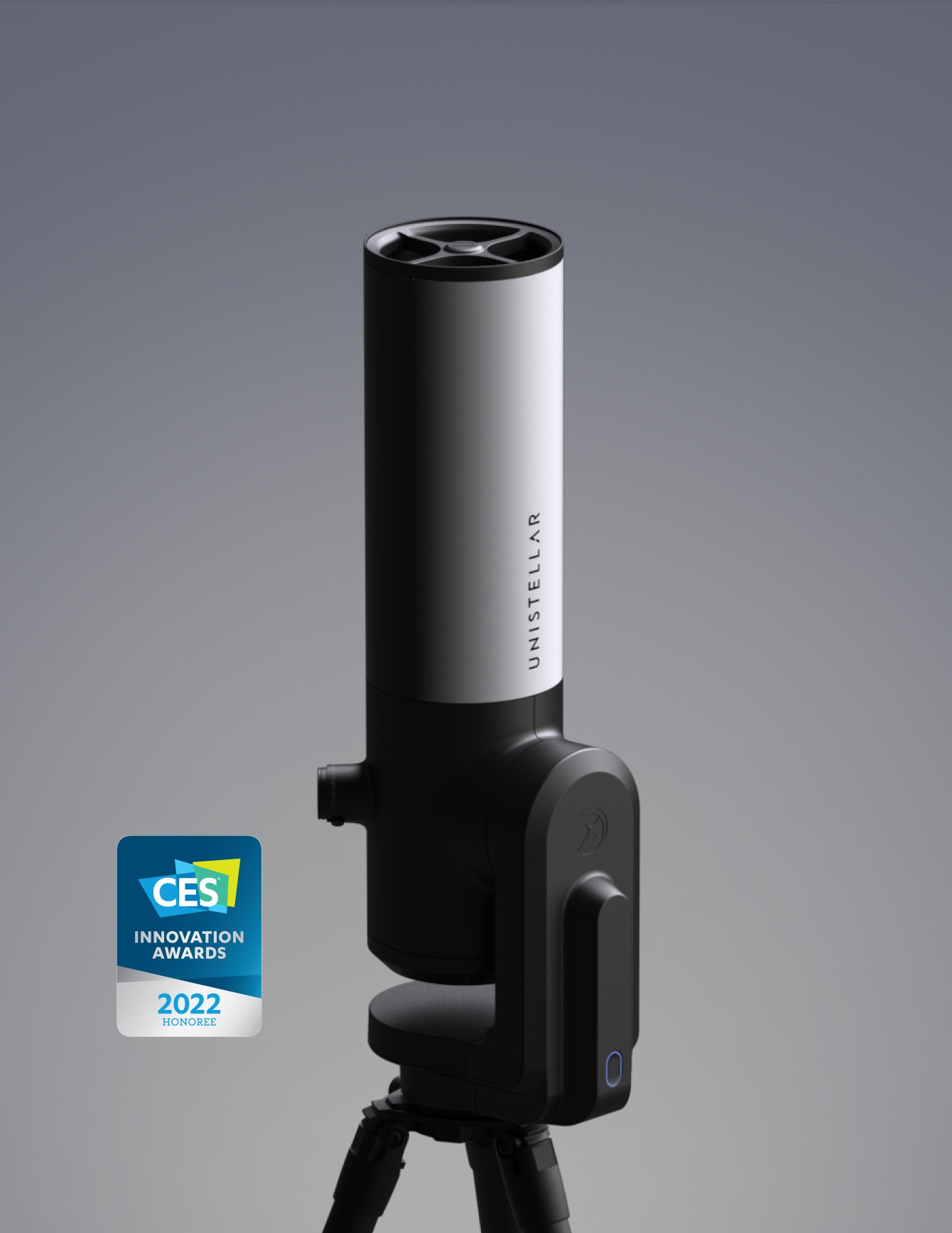
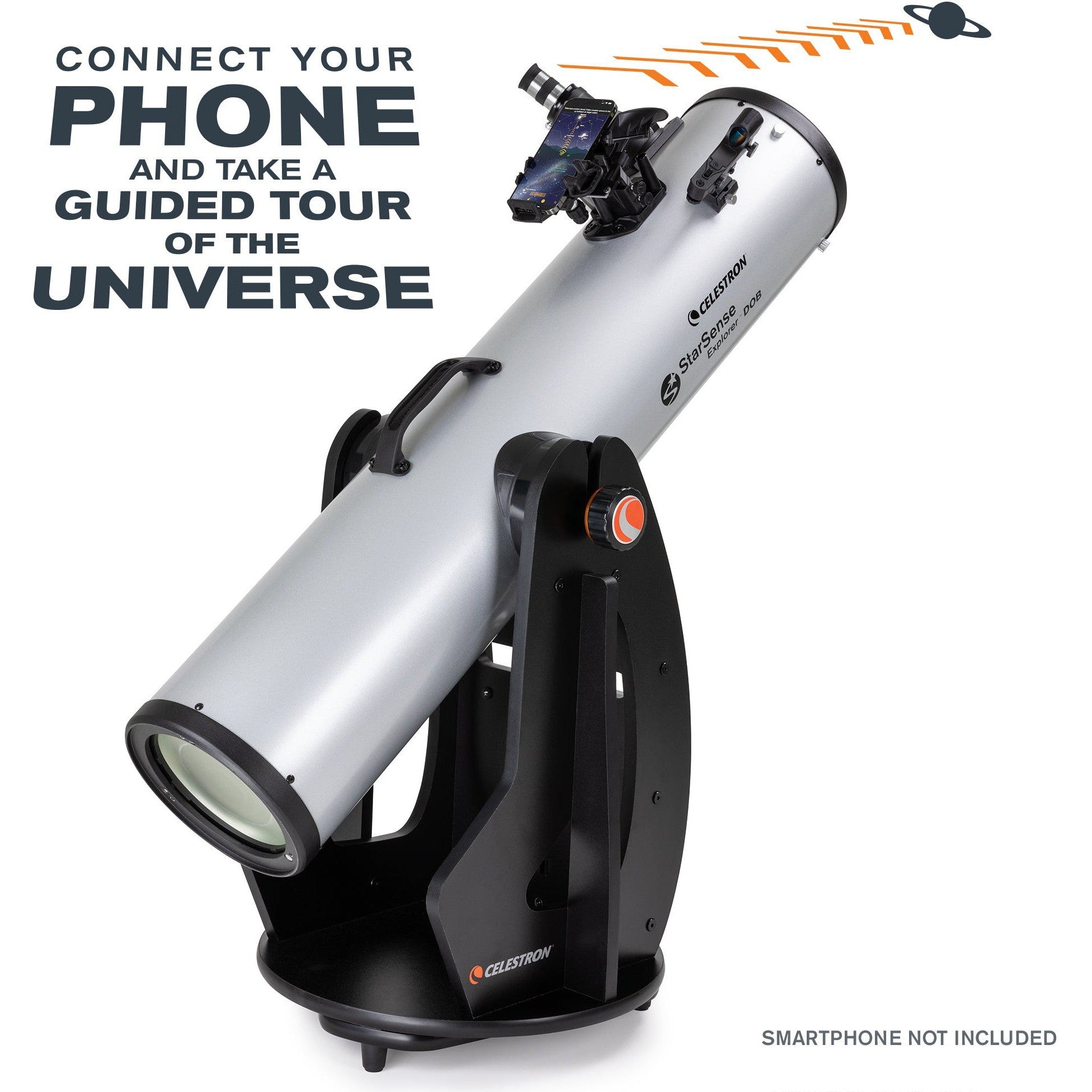
For most people who want a traditional eyepiece view with automatic aim, the Celestron NexStar 8SE is the strongest all-arounder: an 8-inch mirror plus a GoTo mount that finds 40,000+ objects on its own. If you want the biggest mirror for the least money and don't mind manually pushing the tube (with your phone's help), the Celestron StarSense Explorer 8-Inch Dobsonian gets you the same aperture for meaningfully less. Budget grab-and-go buyers should look at the Sky-Watcher Heritage 150P, a smaller but genuinely capable 150mm reflector well under $400. The Unistellar eVscope 2 and DWARF LAB DWARF 3 sit in a different category entirely: electronic "smart telescopes" that build up color images of faint galaxies and nebulae on a screen instead of showing raw light through an eyepiece. eVscope 2 is the premium, larger-sensor option; DWARF 3 is the compact, far cheaper one. All five candidates we set out to check turned out to have real, current Amazon.com listings, so no substitutions were needed for this guide.
Updated September 2026Advertising DisclosureTop Relevant
✓Carefully researchedProduct data reviewed
◇Independent picksClear comparison criteria
▣Practical resultsBuilt around real use cases
$Price & valueFeatures compared clearly
Buyer checklist
How We Compared These 5 Best Telescopes for Exploring the Night Sky From Home
This is desk research, not a hands-on lab test. For each of the five telescopes we pulled specifications from the manufacturer's own product page (Celestron, Sky-Watcher USA, Unistellar, and DWARFLAB) and cross-checked them against the exact Amazon.com listing, confirming a live, real ASIN and a matching title for each before writing anything about it. Where retailers or manufacturer materials disagreed on a spec, such as the Sky-Watcher Heritage 150P's total weight being listed anywhere from about 14 to 15.5 lb depending on the source, we noted the discrepancy rather than silently picking a number. We have not physically operated any of these telescopes; capability descriptions are based on published optical specifications (aperture, focal ratio, sensor type) and how those numbers translate to real-world viewing in the astronomy hobby, not first-hand observation reports.
5 Best Telescopes for Exploring the Night Sky From Home Buying Questions
What's the real difference between a traditional telescope and a "smart telescope" like the eVscope 2 or DWARF 3?
A traditional telescope, like the NexStar 8SE, Heritage 150P, or StarSense Explorer 8" here, forms an image with glass and mirror optics that you view directly through an eyepiece; what you see is live, raw light. A smart telescope like the Unistellar eVscope 2 or DWARF LAB DWARF 3 instead projects light onto a digital sensor and uses software to stack and process multiple exposures into a brighter, more detailed image shown on a screen or built-in OLED eyepiece. Smart telescopes can reveal color in faint galaxies and nebulae that would look like gray smudges, or be invisible, in a traditional eyepiece from the same location, but you're viewing a computed image rather than raw photons.
How much aperture do I actually need to see planets and deep-sky objects from a backyard?
Aperture (mirror or lens diameter) determines how much light a telescope gathers. A 150mm scope like the Heritage 150P will show Saturn's rings, Jupiter's cloud bands, and the brighter deep-sky clusters and nebulae reasonably well. An 8-inch (203mm) telescope like the NexStar 8SE or StarSense Explorer 8" gathers roughly 2.6 times more light, pulling in noticeably more detail and fainter objects, which matters especially for galaxies and smaller planetary nebulae. None of the traditional-optics telescopes on this list will show the vivid color seen in long-exposure astrophotography; that level of color and detail in real time is specifically what the smart telescopes here are built for.
Do I need a computerized GoTo mount, or can I just find objects manually?
It depends on patience and budget. The NexStar 8SE's motorized GoTo mount slews to any of 40,000+ catalogued objects after a short star-alignment routine, which is convenient but adds cost and complexity. The StarSense Explorer 8" and Heritage 150P both use manual altazimuth mounts; with StarSense, your phone's camera tells you which way to push the tube, while the Heritage 150P is old-school star-hopping with a red-dot finder. Manual mounts are lighter, cheaper, and have fewer parts to fail, but GoTo saves time hunting for faint or hard-to-star-hop targets.