Buyer checklist
How We Compared These 5 Home Safes for Protecting Documents and Valuables
This is desk research, not a hands-on fire or water test — we did not burn or submerge any of these safes ourselves. Every fire rating, water rating, capacity figure and lock-type spec in this guide comes directly from each manufacturer's own current product page or spec sheet, cross-checked against a real Amazon listing for the same model where one exists.
As with other guides in this series, Amazon's live listing pages for all five safes returned automated bot-check screens during our research, and the Internet Archive's Wayback Machine was offline for this research window, so we could not confirm live Amazon star ratings for any of the five safes and are not stating any here.
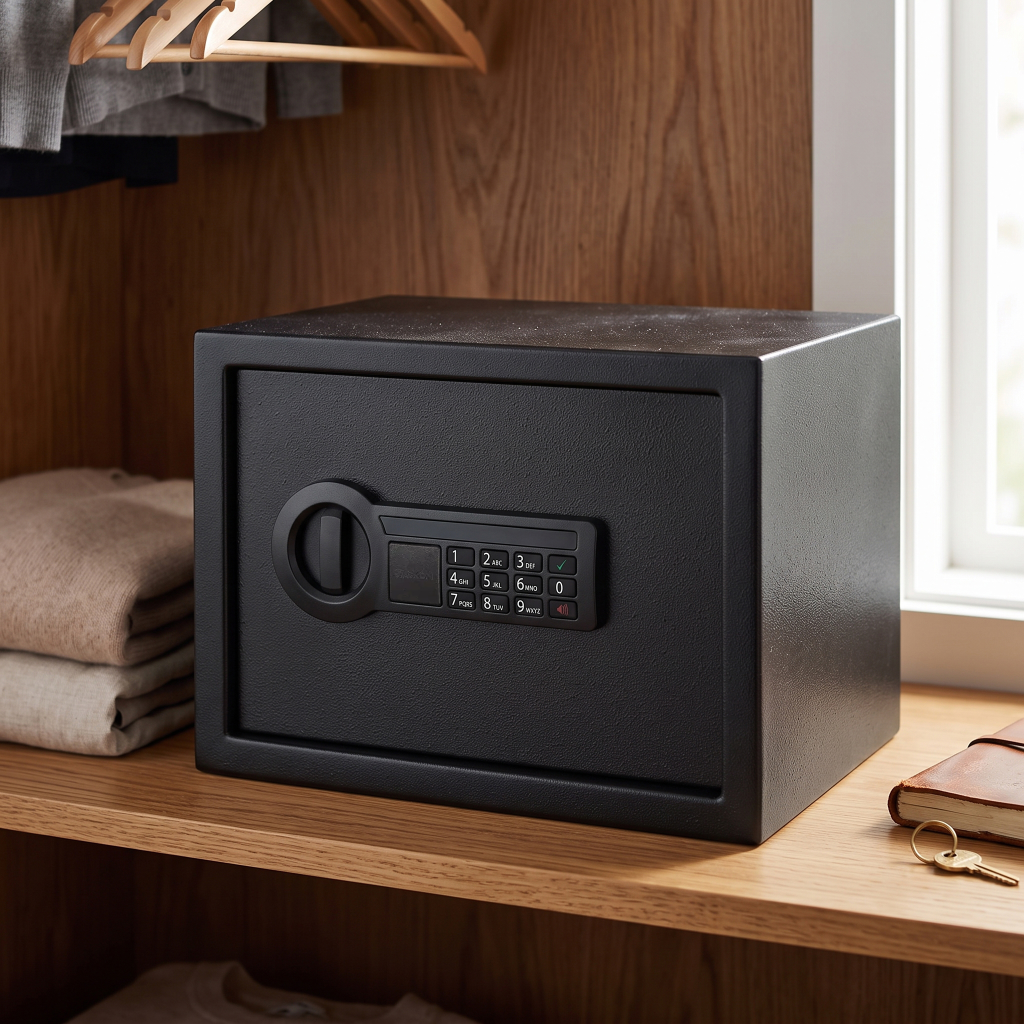
One naming discrepancy is worth disclosing: the Stack-On safe here is listed on Amazon as the "PS-1514" model, but Stack-On's current website does not show that exact model number in its active personal-safes lineup — its closest current equivalent is the PS-1814-E. We describe the general Stack-On personal-safe feature set (electronic keypad, steel construction, backup keys, alarm) that both models share per Stack-On's own materials, rather than assuming every spec is identical between the two model numbers, and we flag this explicitly rather than presenting it as a perfect match.
Fire ratings across brands are tested under different standards and conditions (UL classification, ETL verification, or a manufacturer's own internal testing), so a "1 hour at 1700°F" rating from one brand and a "30 minutes at 1200°F" rating from another aren't directly interchangeable — compare the specific testing standard cited, not just the headline numbers, if fire protection is your priority.
5 Home Safes for Protecting Documents and Valuables Buying Questions
What does a fire rating like '1 hour at 1700°F' actually mean?
Per the safe manufacturers' own materials, it typically means the safe was tested to keep its interior below a certain temperature (often around 350°F, the point paper documents begin to char) while the exterior was exposed to the stated temperature for the stated duration. It does not mean the safe becomes indestructible at that temperature, and it doesn't automatically say anything about how the safe performs in a fire lasting longer than the rated time.
Is a fireproof safe also waterproof?
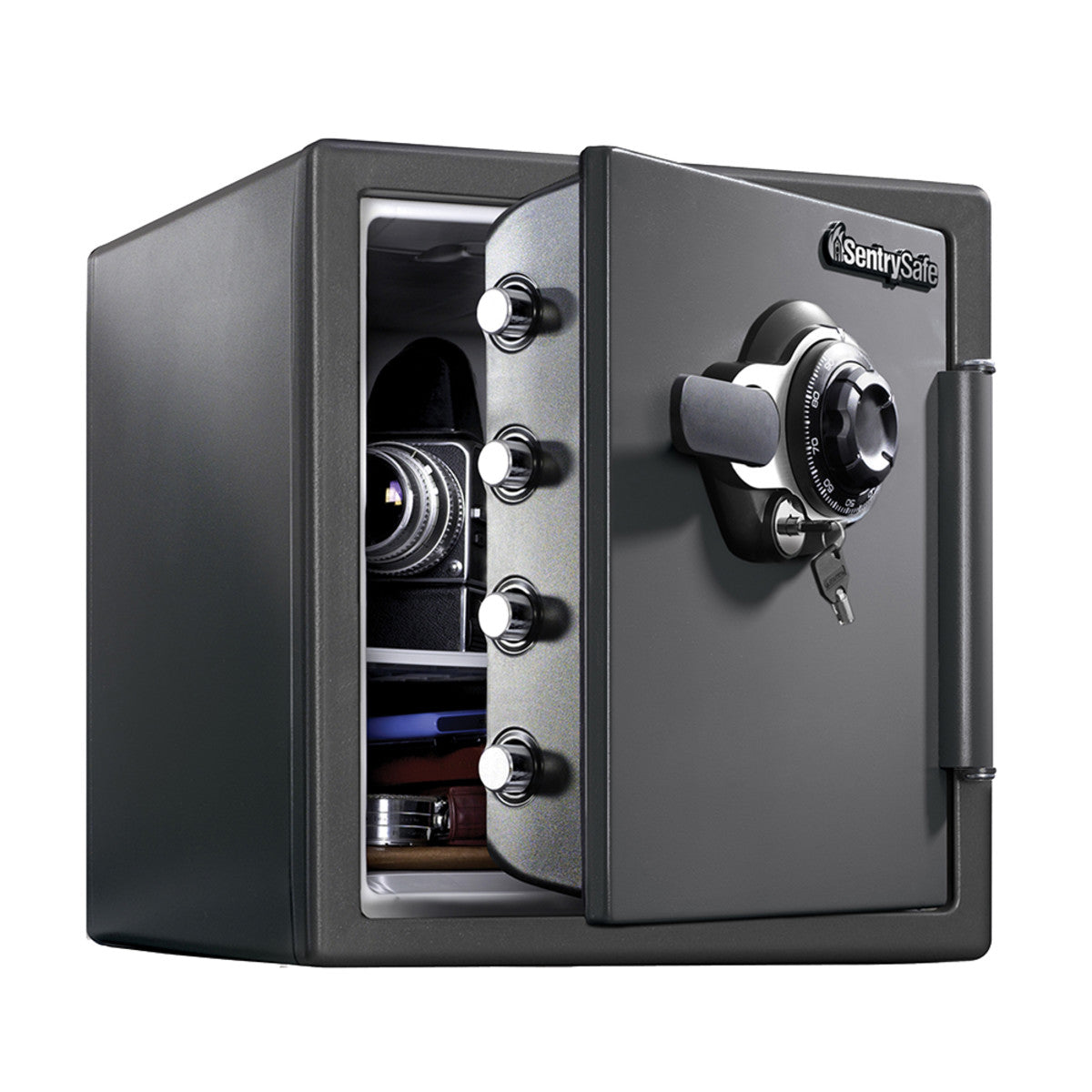
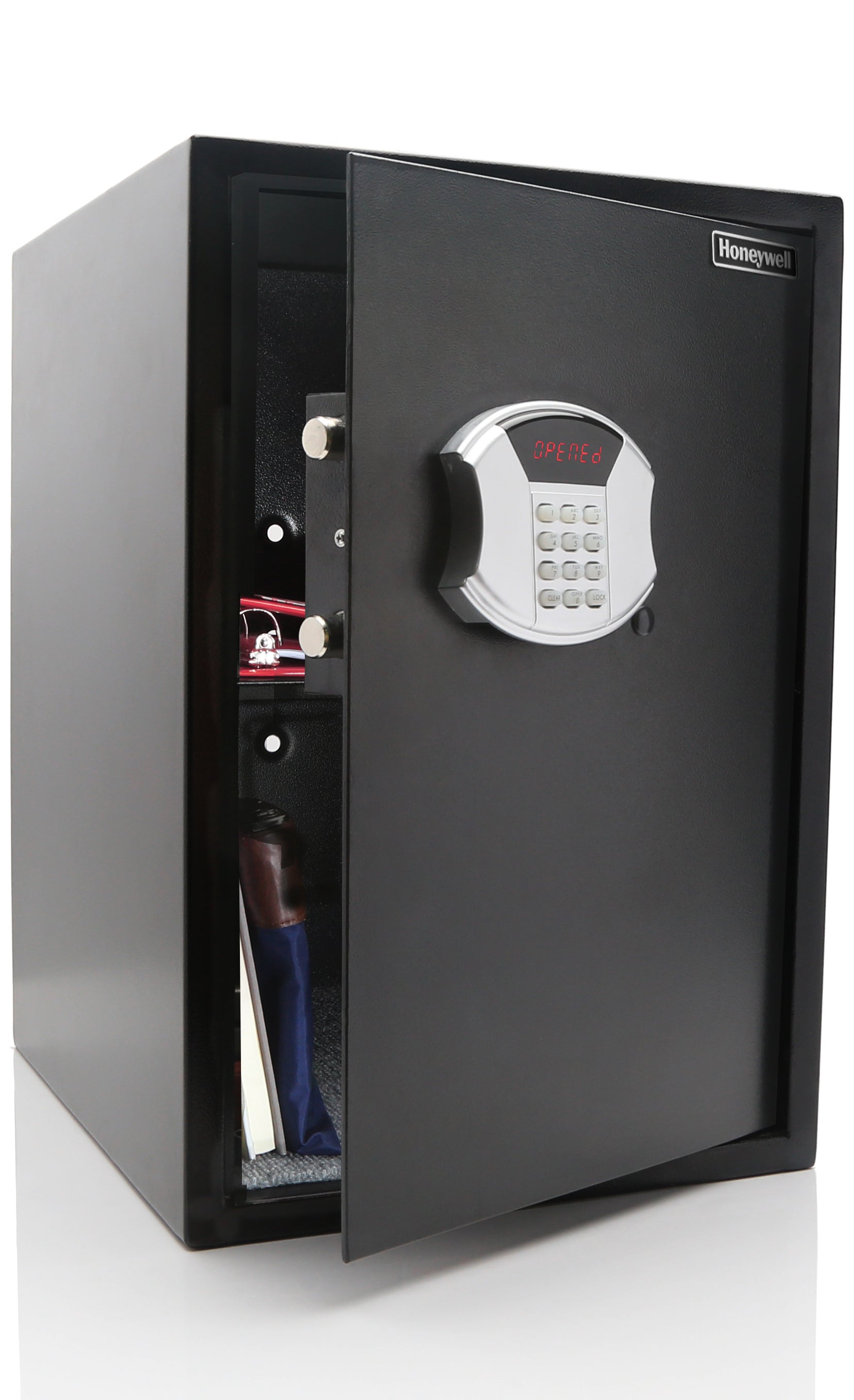
Not automatically — check both ratings separately. The SentrySafe SFW123DSB in this guide is rated for both fire and water (ETL-verified for water), while the Barska and Honeywell safes here emphasize fire/theft protection without the same explicit water-submersion rating in their own materials. If you're in a flood-prone area, confirm a specific water rating rather than assuming any fireproof safe is also waterproof.
Are biometric (fingerprint) locks reliable as a primary access method?
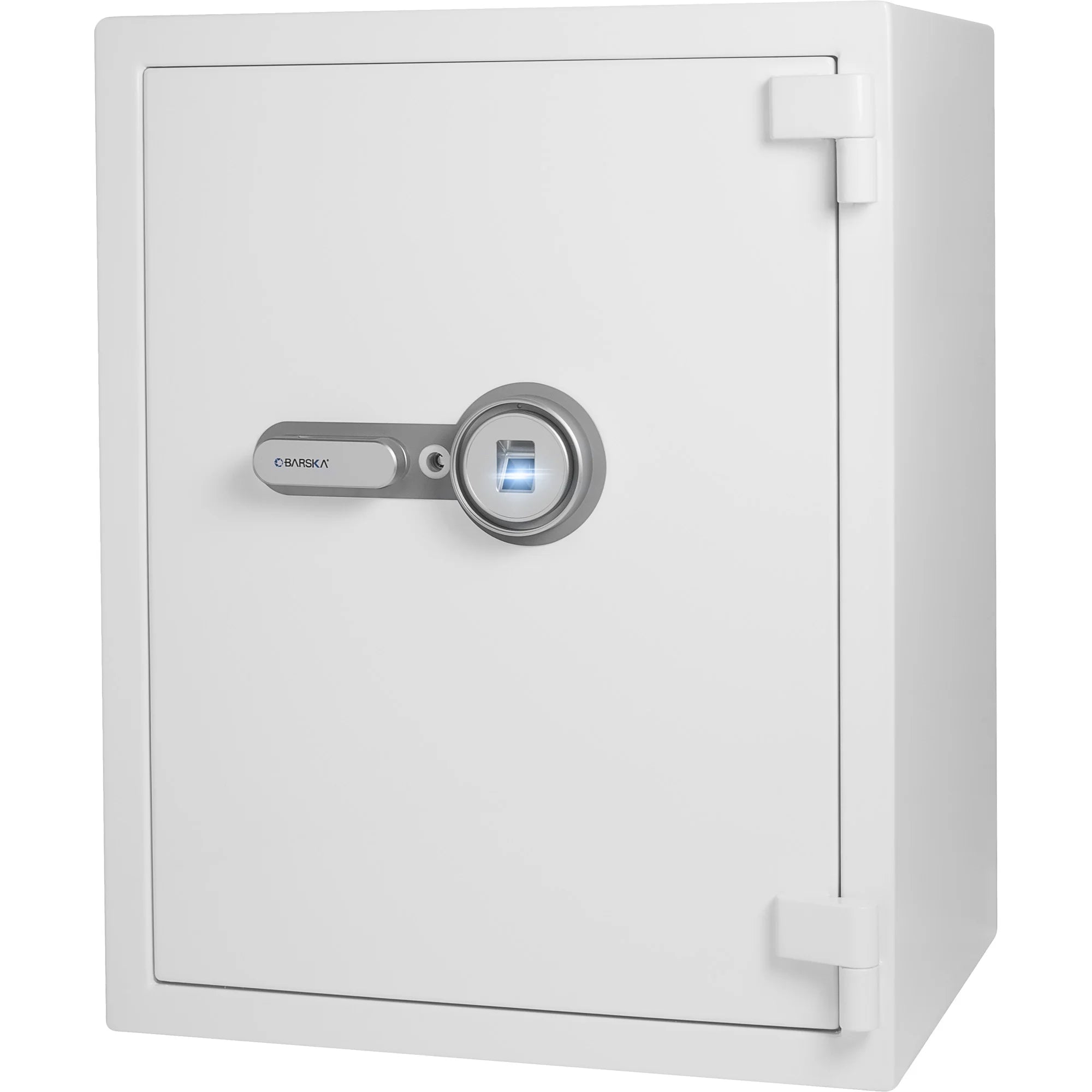
Per Barska's own materials, their biometric safes store up to 100 fingerprints and include backup keys specifically because fingerprint sensors can occasionally fail to read (wet or dirty fingers, sensor wear over time). Treat the fingerprint scanner as a fast primary method with a physical key as the real fallback, not as a lock with no backup.
Why don't these listings show Amazon star ratings?
During this research pass, Amazon's live pages for all five safes returned automated bot-check screens, and the Internet Archive's Wayback Machine was offline for part of our research window. Rather than publish an unverified number, we sourced every spec from each manufacturer's own official page and disclosed that gap here.