Best Portable Power Stations for Camping, RVs & Backup Power
We compared verified specs on five current LiFePO4 power stations from EcoFlow, Jackery, BLUETTI, Anker and Goal Zero to find the best fit for road trips, camping and home backup.
Quick answer
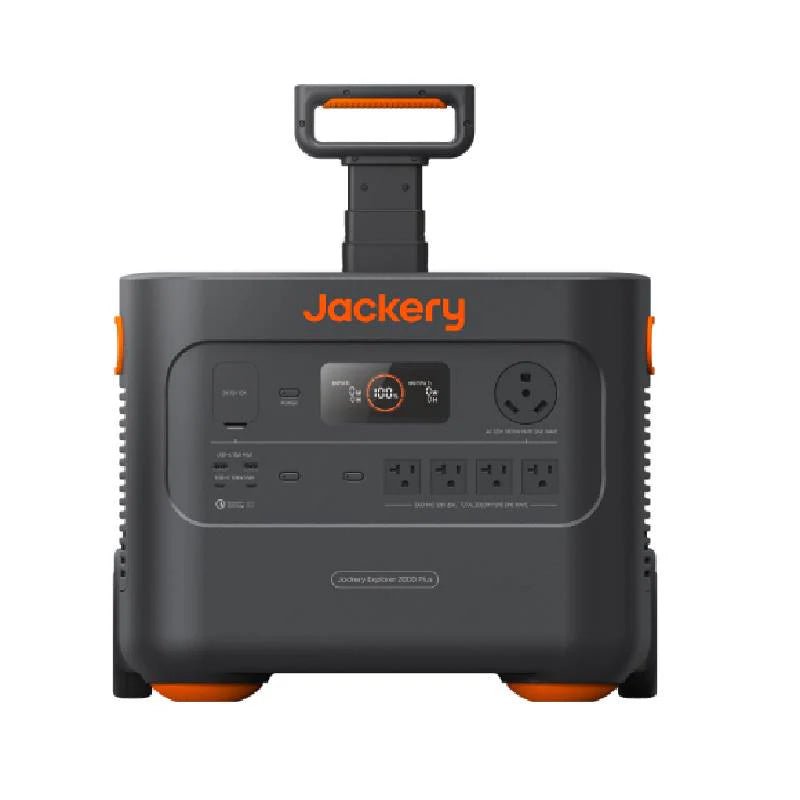
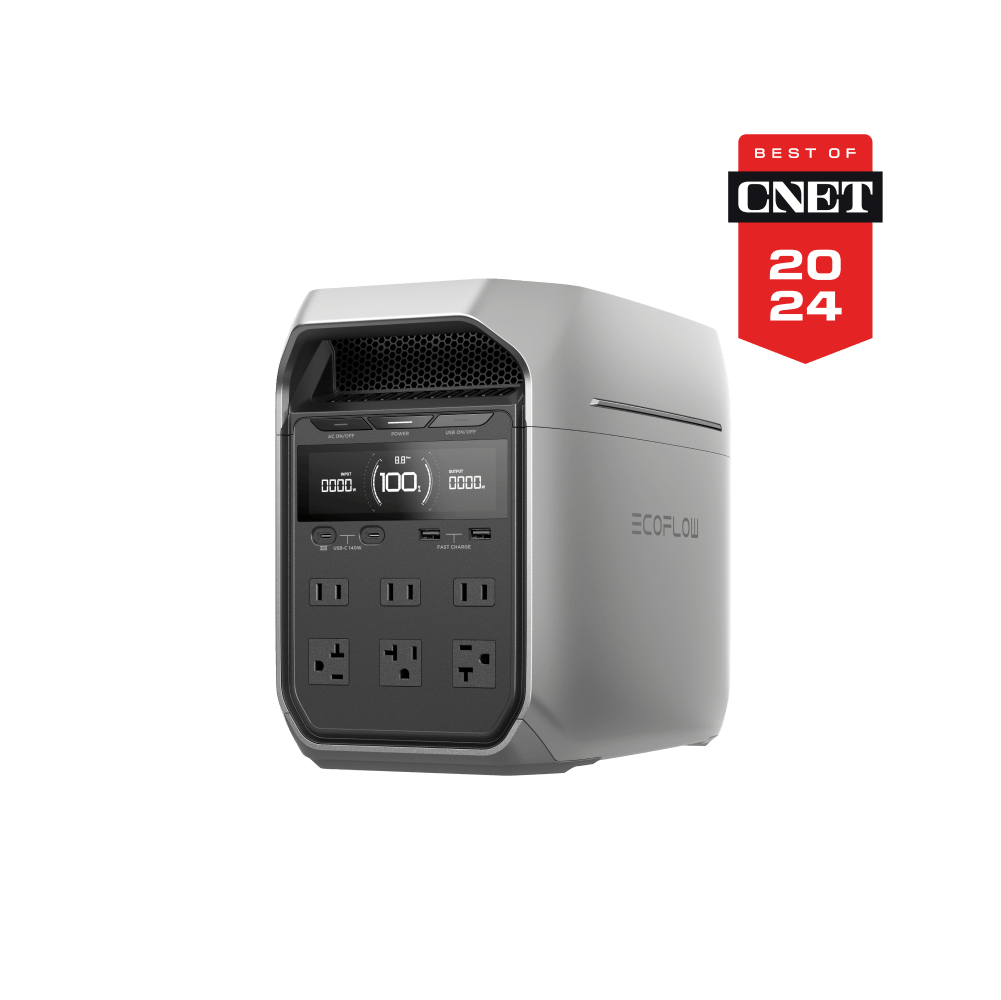
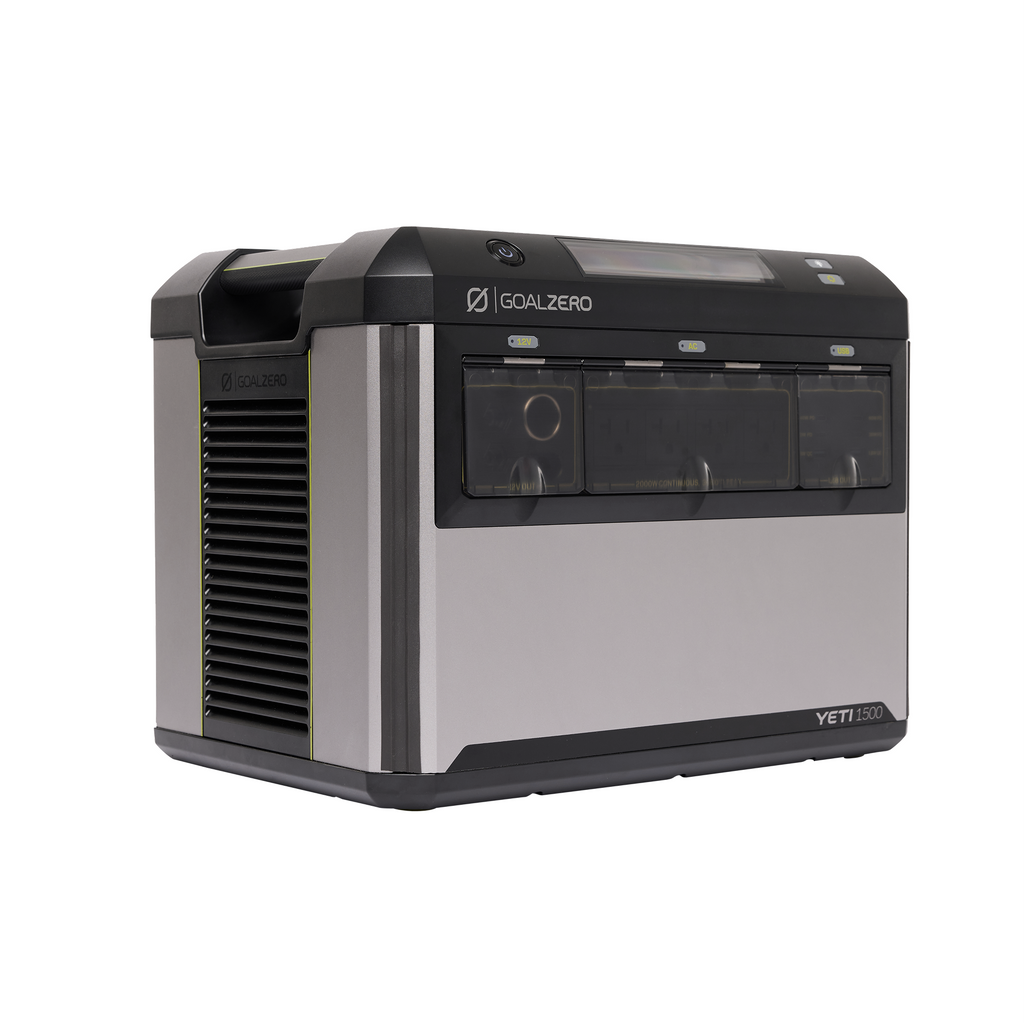
For most people packing a car or camper, the Jackery Explorer 2000 Plus is the pick to beat: 2042Wh of LiFePO4 capacity and a 3000W continuous output (6000W surge) that can start a compressor fridge or a small window AC unit without hesitation. If you're weight-conscious or camp in a tent rather than a vehicle, the Anker SOLIX C1000 Gen 2 packs 1024Wh into just under 25 lbs and recharges from empty in under 50 minutes. Two honest notes on this list: the original Anker SOLIX C1000 (Gen 1) is still sold, but Anker's own current-generation unit is the SOLIX C1000 Gen 2, which is lighter, faster-charging and less expensive, so we swapped in the Gen 2 as the more sensible buy. Similarly, the Goal Zero Yeti 1500X has been discontinued by Goal Zero and replaced with the redesigned Yeti 1500 (6th Gen), so that's the unit we verified and reviewed here instead. No single station wins every category, the EcoFlow DELTA 3 Plus charges fastest, the BLUETTI AC200L expands furthest for RV and home setups, and the Yeti 1500 is the only one in this group with an IPX4 weather-resistance rating.
Updated September 2026Advertising DisclosureTop Relevant
✓Carefully researchedProduct data reviewed
◇Independent picksClear comparison criteria
▣Practical resultsBuilt around real use cases
$Price & valueFeatures compared clearly
Buyer checklist
How We Compared These 5 Portable Power Stations for Road Trips, Camping and Backup Power
This guide is desk research, not a hands-on lab test: we did not physically charge, discharge, or load-test any of these units. Instead we pulled rated specifications, battery capacity in Wh, continuous and surge AC output, battery chemistry, weight, AC recharge time, and port counts, directly from each manufacturer's current product page and cross-checked those figures against the live Amazon.com listing for the exact model and against independent spec write-ups where manufacturer pages were incomplete. Where two credible sources gave different numbers (this happened with BLUETTI's stated warranty length and its expanded-capacity ceiling), we say so in that product's write-up rather than silently picking one. Two of the five original candidates no longer represent the manufacturer's current model, see the Quick Verdict above, so we substituted the actual current-generation replacement product and verified its own Amazon listing and ASIN independently rather than assuming continuity.
5 Portable Power Stations for Road Trips, Camping and Backup Power Buying Questions
How much capacity do I actually need for camping versus home backup?
For weekend camping — charging phones, running a CPAP overnight, powering a cooler or camp lights — 1,000-1,100Wh (like the EcoFlow DELTA 3 Plus or Anker SOLIX C1000 Gen 2) is usually enough for one to two nights before you need a recharge. For running a fridge through a multi-hour outage, keeping a sump pump or medical equipment alive, or powering a small window AC in an RV, step up to the 2,000Wh-plus class (Jackery Explorer 2000 Plus, BLUETTI AC200L, Goal Zero Yeti 1500) so you're not recharging every few hours.
Is LiFePO4 battery chemistry safer than the lithium-ion packs in older power stations?
All five units on this list use LiFePO4 (lithium iron phosphate) cells rather than the NMC/NCA lithium-ion chemistry found in many older or cheaper power stations. LiFePO4 is more thermally stable and less prone to thermal runaway, which is why manufacturers rate these packs for 3,500-4,000+ charge cycles and 10-year service life instead of the roughly 500-1,000 cycles typical of NMC packs. That stability doesn't remove the need for basic care: keep the unit's vents clear during high-output use or fast charging, don't cover it while charging, and don't exceed its rated continuous wattage even briefly under surge load.
Can any of these run a full-size refrigerator or a CPAP machine overnight?
A CPAP machine (typically 30-60W) is well within reach of any unit here, including the smallest, for multiple nights. A full-size refrigerator's compressor draws 100-200W continuously but can surge to 800-1,200W on startup, the 2,000W+ continuous/6,000W surge Jackery Explorer 2000 Plus and the 2,400W BLUETTI AC200L have the most surge headroom for that job; check your specific fridge's nameplate startup wattage against the station's continuous rating (not just the surge number) before relying on it for extended outages.