Best Rice Cookers Compared: Zojirushi, Tiger, Cuckoo & More
We compare Zojirushi, Tiger, Cuckoo, Instant, and Aroma rice cookers by heating method, real capacity, and keep-warm time -- not star ratings.
Quick answer
The Zojirushi Neuro Fuzzy NS-ZCC10 is the best overall pick here for households that cook varied rice types and want a proven micom (fuzzy-logic) machine with a long menu list, even though it costs more and skips induction or pressure hardware. If you specifically want induction heating, the Tiger JKT-D10U is the stronger match at the same 5.5-cup size; if you want faster, pressure-cooked texture and don't mind a sealed lid to maintain, the CUCKOO CRP-P0609S is the better alternate.
Updated September 2026Advertising DisclosureTop Relevant
✓Carefully researchedProduct data reviewed
◇Independent picksClear comparison criteria
▣Practical resultsBuilt around real use cases
$Price & valueFeatures compared clearly
Buyer checklist
How We Compared These 5 Best Rice Cookers: Micom, Induction, and Pressure Picks
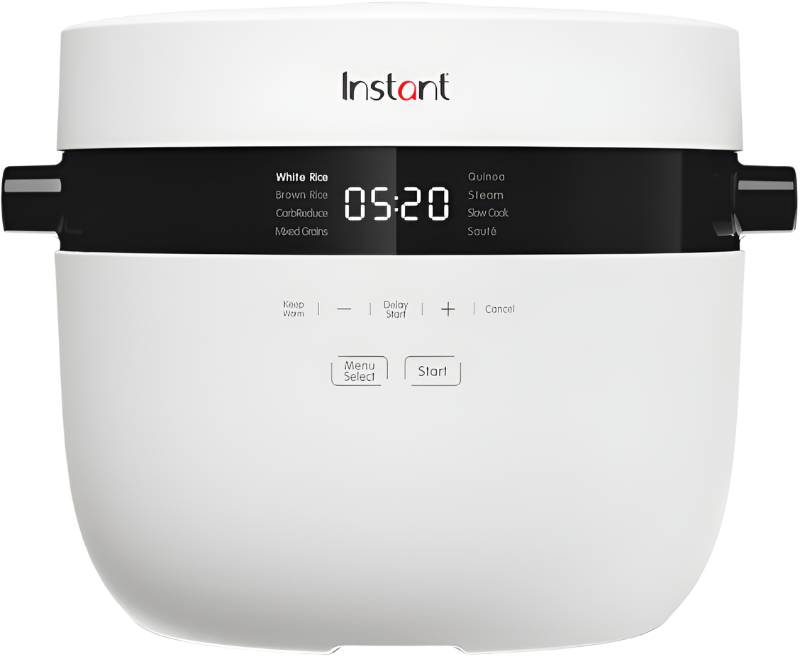
Rice cookers in this price range differ mainly on heating method, not gadgetry, so we compared them first on that basis: conventional micom/fuzzy-logic heating (Zojirushi), induction heating that energizes the whole pot (Tiger), and sealed pressure cooking (Cuckoo), against two simpler digital multi-cookers (Instant, Aroma) that use neither induction nor pressure. From there we looked at real cup capacity versus cooked yield (rice-cooker cups run about 180ml, smaller than a US cup), keep-warm duration, what's actually included in the box, and how many nearly-identical model-number variants each brand sells, since that's where rice cooker shoppers most often buy the wrong SKU.
5 Best Rice Cookers: Micom, Induction, and Pressure Picks Buying Questions
What's the real difference between micom, induction (IH), and pressure rice cookers?
Micom (fuzzy-logic) cookers like the Zojirushi NS-ZCC10 use a microcomputer and a conventional heating plate that adjusts temperature and time based on sensor feedback. Induction heating (IH) cookers like the Tiger JKT-D10U instead run current through the entire pot via induction coils, which Tiger's own spec sheet ties to more even heat across the pot rather than just the base. Pressure cookers like the CUCKOO CRP-P0609S seal the lid and cook rice above normal boiling temperature, which is what lets Cuckoo advertise an 18-24 minute turbo white-rice cycle. The Instant 20-Cup and Aroma ARC-914SBD in this guide use simpler digital heating elements with preset programs and are not pressure or induction machines.
Why does the size of a rice cooker 'cup' matter?
Nearly every rice cooker brand, including all five here, measures capacity in its own included rice-cooker cup, which is roughly 180ml (about 6.3 fl oz) -- noticeably smaller than a standard US measuring cup (240ml). So a '5.5-cup' Zojirushi or Tiger is not 5.5 US cups of dry rice; it's 5.5 of the smaller cup that ships in the box. Mixing up the two is the single most common capacity confusion in this category.
Do I actually need a pressure rice cooker, or is a conventional one enough?
Based on the specs we reviewed, pressure (the Cuckoo CRP-P0609S) mainly buys you faster cook times and can help brown rice and multigrain blends turn out softer, but it adds a sealing gasket and pressure-release parts to clean and maintain. A conventional micom or induction cooker (Zojirushi, Tiger) is simpler to live with and has a long track record for standard white and mixed rice. If you're cooking mostly white rice for a small household and don't mind a slightly longer cook cycle, we don't see pressure as a must-have from the specs alone.