Buyer checklist
How We Compared These LED Ceiling, Accent and Plant Lights: Check Lumens Per Watt, Not Wattage
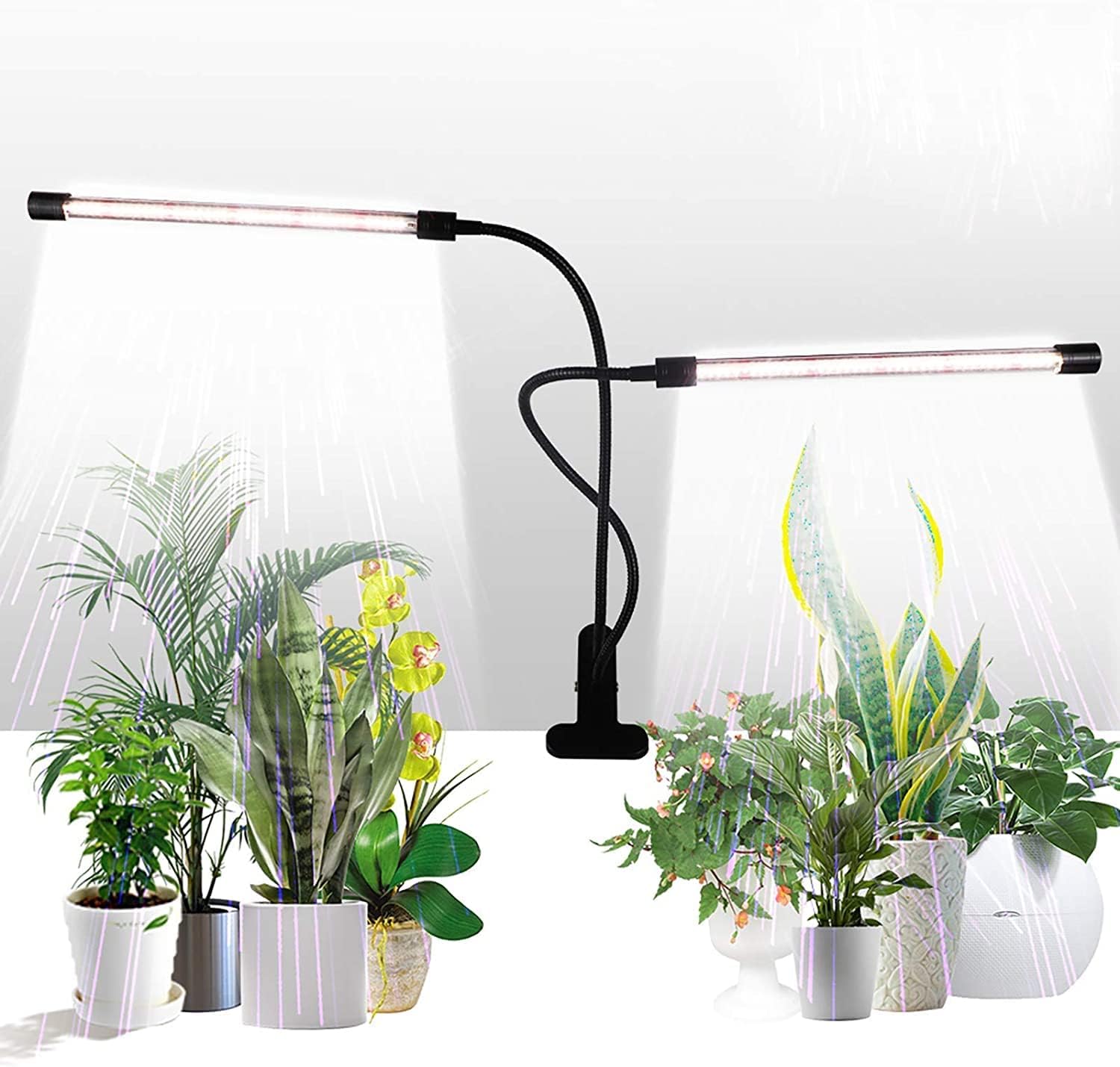
None of these five brands maintains a manufacturer specification site, so we read each product's own specification bullets directly from its live Amazon.com listing and worked only from figures that are stated there: lumens, watts, colour temperature in Kelvin, CRI, physical dimensions, ingress protection rating and cord length. Where a listing published both a lumen figure and a wattage, we divided one by the other, and that single calculation is the most useful thing on this page because it is the comparison the listings themselves avoid making. We want to be exact about what that means: the division is ours, the inputs are the manufacturers' unverified claims, and we have not metered a single one of these fixtures. We also found a real contradiction on the GHodec and have flagged it in its section rather than smoothing it over, its title sells a full-spectrum white light while its own bullets describe five red LEDs alongside 37 white ones per bar. Lifespan claims, 50,000 hours in one case, we have reported as claims and nothing more, because no consumer can verify a figure that takes seventeen years of daily use to test.
LED Ceiling, Accent and Plant Lights: Check Lumens Per Watt, Not Wattage Buying Questions
What colour temperature should I actually buy?
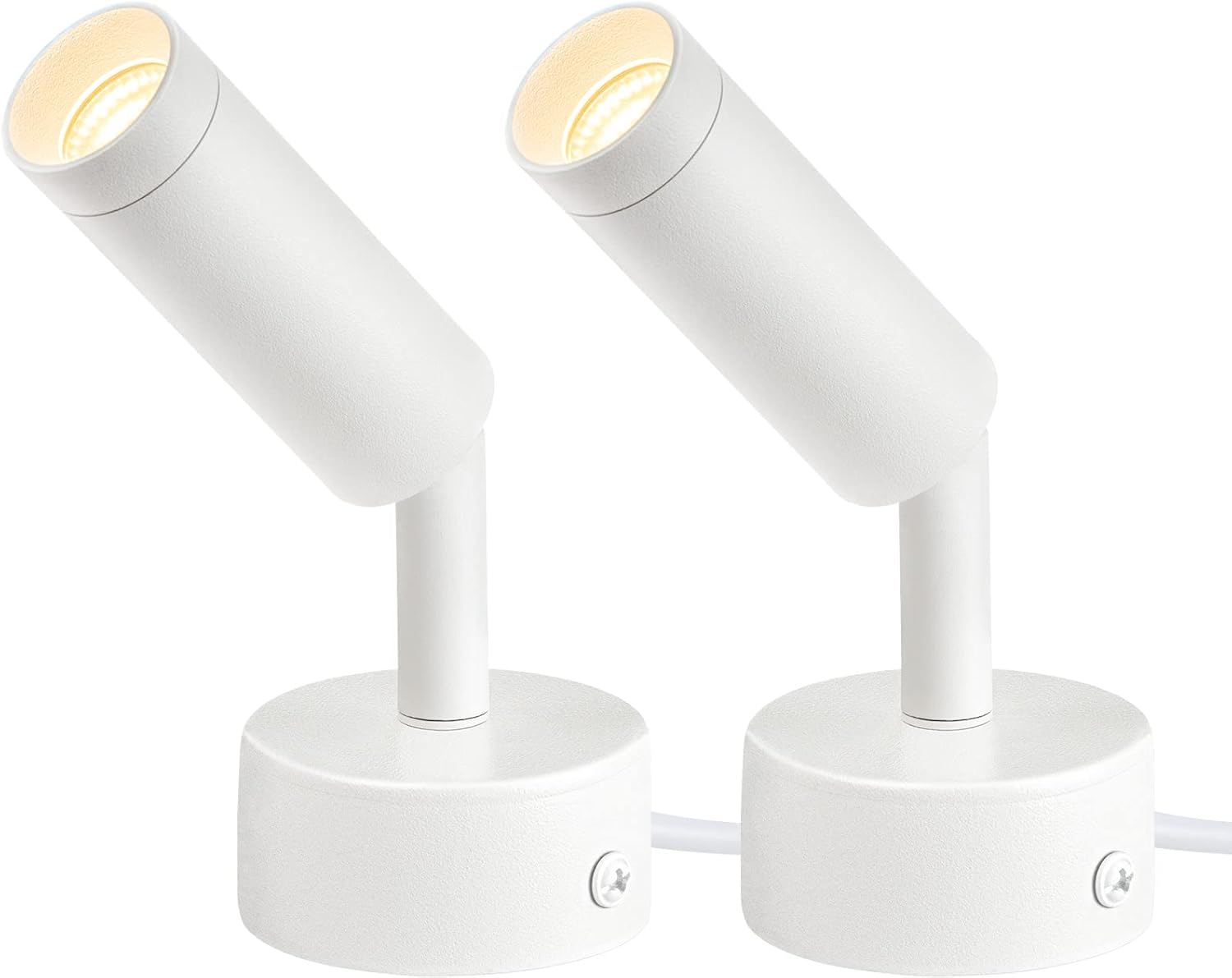
Match it to what the room is for, because this is the spec people regret most and it cannot be changed on an integrated LED fixture. Roughly: 2700K to 3000K is warm and yellowish, which suits bedrooms, living rooms and anywhere you want the light to feel like lamplight, and it is what the URTOM accent lights here use. 4000K is neutral. 5000K to 6500K is daylight to cool white, which reads as clinical in a bedroom and is right for garages, workshops, bathrooms and task areas, and that is where the LightingWill at 5000K and the CANEOE at 6000K sit. The important catch on this page: both of those ceiling fixtures are integrated LED with no replaceable bulb, so the colour temperature you order is the one you keep.
Why does lumens per watt matter more than wattage?
Because wattage is the input and lumens are the output, and the whole point of LED is that the ratio between them improved. A 32-watt fixture is not brighter than a 24-watt one by virtue of the number; on this page the 24-watt LightingWill claims 3200 lumens and the 32-watt CANEOE claims 2560, so the smaller draw produces more light. Dividing lumens by watts gives you a single figure to compare across very different fixtures, about 133 for the LightingWill against about 80 for the CANEOE. It is also the figure that tells you whether an efficiency claim like equivalent to 240W fluorescent is doing any work.
What does an IP66 rating cover, and do I need it?
The first digit is solids and the second is liquids. IP66 means fully dust-tight and protected against powerful water jets, which is the rating you want for a fixture that sits in a garden bed, takes sprinkler spray and sits out through winter, and the ZUCKEO is the only item here that carries it. The other four are indoor fixtures with no ingress rating at all, and that includes the accent uplights, so they stay inside even on a covered porch. IP66 is not the same as submersible; for a fixture that could sit under standing water you want IP67 or IP68 instead.