Best Photo Printers 2026: Prints, Instant Film & Pro Work
Compare 5 real, currently-listed photo printers on Amazon, from pocket dye-sub printers to a 13-inch professional inkjet, with honest specs on print size, speed and connectivity.
Quick answer
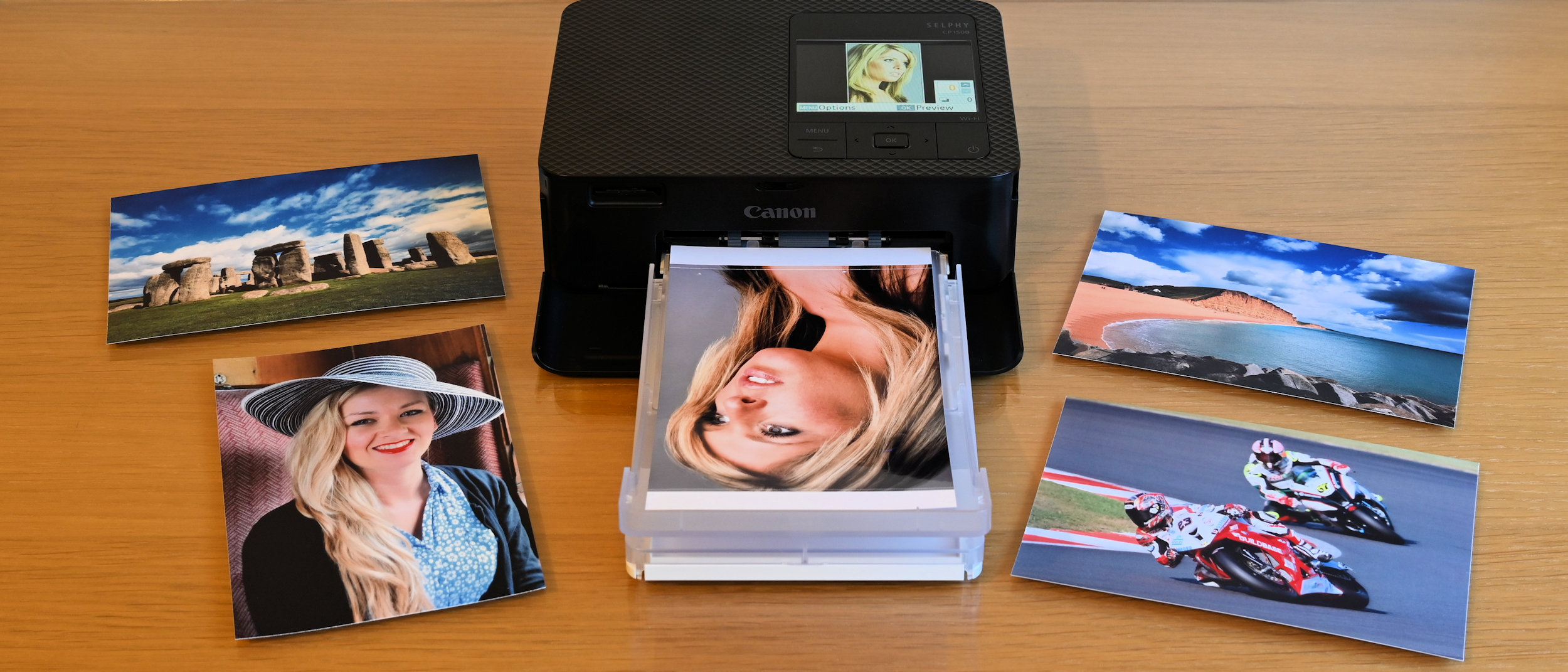
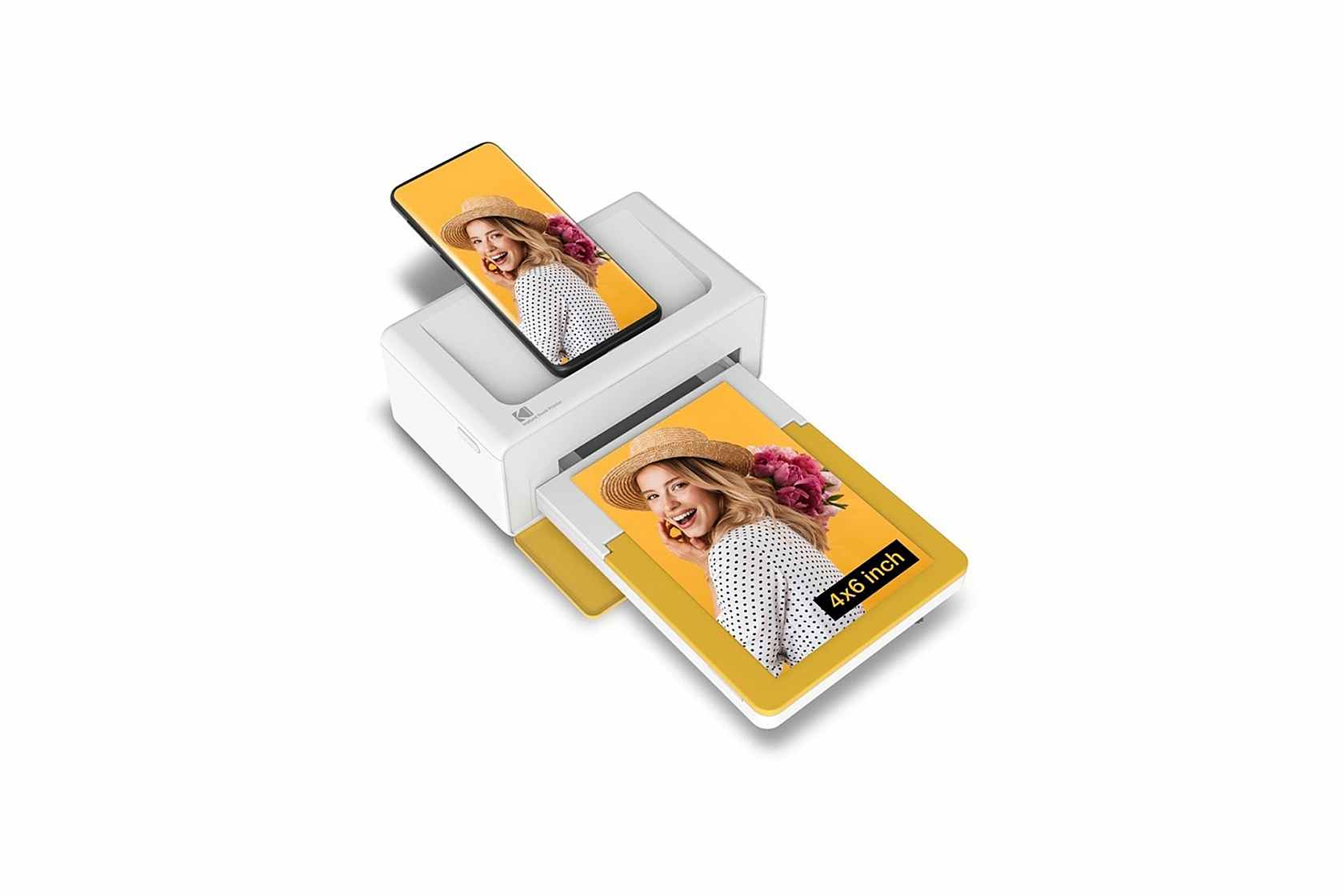
For most people who just want crisp 4x6 prints without fuss, the Canon SELPHY CP1500 is the safest all-around pick thanks to its dye-sublimation quality and simple SD-card/USB/Wi-Fi workflow. If you want the closest thing to a real Polaroid, the Fujifilm Instax Link Wide prints on actual instant film instead of digital paper. Budget-conscious buyers who print a lot should look at the Kodak Dock Plus, which we swapped in after the originally planned Epson PictureMate PM-400 turned out to be effectively unavailable (Epson's own site lists it out of stock with no restock date). The HP Sprocket Select earns a spot for its pocketable size and sticker-backed paper, though HP has since moved its lineup to the Sprocket 200 series, so treat Select stock as limited. And if this list is really about serious print quality rather than snapshots, the Canon imagePROGRAF PRO-310 is in a different league entirely: a 13-inch professional pigment-ink printer, not a compact photo printer, included here as the honest upgrade path for anyone who has outgrown snapshot printers.
Updated September 2026Advertising DisclosureTop Relevant
✓Carefully researchedProduct data reviewed
◇Independent picksClear comparison criteria
▣Practical resultsBuilt around real use cases
$Price & valueFeatures compared clearly
Buyer checklist
How We Compared These 5 Photo Printers for Turning Digital Shots Into Real Prints
This guide is desk research, not a hands-on lab test: we did not print physical photos on any of these machines. Instead we cross-checked each product's manufacturer specifications (print technology, resolution, max print size, connectivity, and battery/ink details) against its current Amazon.com listing and, where available, independent reviews and retailer pages, to confirm the model is real, still sold, and accurately described. Where Amazon or manufacturer stock status looked unreliable, we verified it through multiple sources before deciding whether to keep or replace a candidate, and we've disclosed that reasoning below rather than quietly swapping products. Any spec where sources disagreed (for example, print longevity claims or exact print speed) is flagged in the relevant product section instead of being flattened into a single confident number.
5 Photo Printers for Turning Digital Shots Into Real Prints Buying Questions
What's the real difference between dye-sublimation, Zink, and instant film printers?
Dye-sublimation (used by the Canon SELPHY CP1500 and Kodak Dock Plus) heats a color ribbon in passes to fuse dye into special paper, then adds a protective overcoat, which is why dye-sub prints resist fading and fingerprints well. Zink ("zero ink," used by the HP Sprocket Select) uses paper with heat-activated color crystals built in, so there's no ribbon or cartridge, but color range and detail are generally a step below dye-sub. Instant film (Fujifilm Instax Link Wide) exposes a physical photographic film cartridge, giving you an actual chemical print like a classic Polaroid, with the tradeoff that film costs more per print and can't be reprinted from a saved digital file the same way ink-based prints can.
Which of these has the lowest cost per print?
We're not going to invent a precise cents-per-print figure here because ink/paper bundle pricing shifts often and varies by seller. In general, Zink paper (HP Sprocket Select) and dye-sub paper/ink sets (Canon SELPHY CP1500, Kodak Dock Plus) tend to run cheaper per print than Instax instant film, since film is a physical chemical product rather than printed paper. Check the current price of the specific ink/paper or film bundle on each product's Amazon listing before buying, since list prices change.
Do I need a smartphone, or can I print from a computer or camera?
The Canon SELPHY CP1500 is the most flexible here: it accepts an SD card or USB drive directly and also supports Wi-Fi printing from a phone, so you don't strictly need a smartphone. The Kodak Dock Plus and HP Sprocket Select are phone-first (Bluetooth or physical docking), and the Fujifilm Instax Link Wide is Bluetooth/app-only, so both are built around a companion phone app rather than direct camera or SD card printing. The Canon imagePROGRAF PRO-310 is a full desktop printer with USB, Ethernet, and Wi-Fi, so it works like any computer-connected photo printer.