TopFiveFind may earn from qualifying purchases. Rankings are editorial starting points, not hands-on test claims.
Home/Vacuum Sealers/Pressman Rummikub - The Original Rummy Tile Game | Exciting Family Game of Strategy and Luck
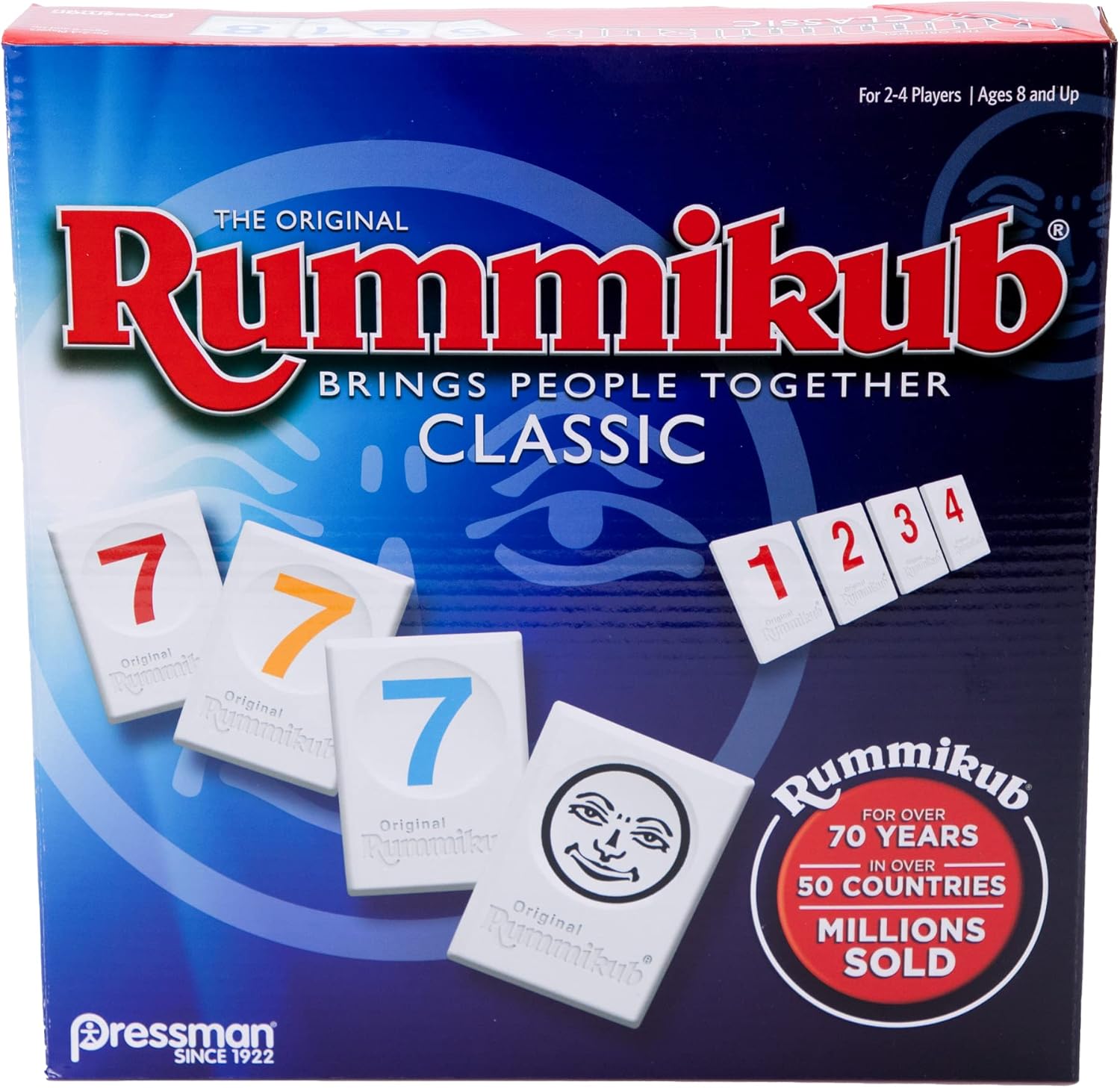
Pressman Rummikub - The Original Rummy Tile Game | Exciting Family Game of Strategy and LuckProduct image from current catalog data
Best for Mixed Ages

Pressman Rummikub - The Original Rummy Tile Game | Exciting Family Game of Strategy and Luck

By Pressman

9.4Excellent matchFeature and use-case score

The rule that makes this more than rummy with tiles: you may break up and rebuild sets other people have already played, which turns every turn into a puzzle.

  • Two to four players, ages 8 and up, playing numbered tiles in runs and groups rummy style
  • Players may rearrange any sets already on the table, provided all sets remain valid
  • More than 55 million units sold per Pressman, making it one of the best-selling games in the ...
See Price at the store →Price, delivery, and configuration can change at the retailer.
ByTopFiveFind Research Desk

How this was made: AI-assisted research and drafting organize the evidence. Exact product identity, source claims, owner-feedback patterns, conflicts, and publication checks are documented before indexing. No hands-on or human-expert testing is claimed unless a page explicitly shows that evidence. Read the full methodology.

Best fitBest for Mixed Ages
CategoryVacuum Sealers
BrandPressman
Catalog score9.4 / 10

Product overview

Pressman Rummikub: What to Know

Most set-collection games let you add to what is on the table. Rummikub lets you dismantle it. On your turn you may rearrange any tiles already played by anyone, as long as every group and run on the table is still valid when you finish, which means a turn can involve pulling apart three existing sets to create a slot for one tile from your rack. That is the whole game, and it is why a tile game from the 1970s is still in print with, by Pressman's count, more than 55 million units sold.

Mechanically you place numbered tiles in runs of consecutive numbers or groups of matching numbers, rummy style, and the first player to use all their tiles wins. Pressman states 2 to 4 players, ages 8 and up, and attributes sequencing, pattern recognition and planning to it, which in this case is a reasonable description of what the game actually asks rather than a generic educational claim.

The reason it goes in a guide about mixed ages is that the skill is pattern spotting rather than accumulated knowledge, and children are often better at it than adults. An eight-year-old who can see a rearrangement a parent missed wins on merit, which is rarer than it sounds, and it is why Pressman's claim that it suits people of different ages playing together holds up better than most.

Two things to note. The listing's age field says Adult while the bullets say ages 8 and up, and the bullets are the useful figure. And the rearranging rule, which is the best part of the game, is also the part that slows it down: a player hunting for a rearrangement can take a long turn, which with four players and no timer is the main thing families house-rule.

Key Listed Features

01

Two to four players, ages 8 and up, playing numbered tiles in runs and groups rummy style

02

Players may rearrange any sets already on the table, provided all sets remain valid

03

More than 55 million units sold per Pressman, making it one of the best-selling games in the world

04

Tile components rather than cards, which handle repeated play better

Buying questions

Quick Answers

What makes it different from card rummy?

The right to rearrange what is already on the table. In card rummy your melds are yours and stay as laid; in Rummikub the table is a shared pool that anyone may restructure on their turn, provided every set is valid again by the end of it. That single difference converts the game from managing your own hand into solving the whole table, and it is why the tiles matter: you need to physically move other people's sets around, which cards on a table do not allow comfortably.

Is there much luck in it?

Enough to keep it open and not enough to decide it. You draw tiles at random, so a bad rack is possible, but the rearranging rule means a skilled player can usually find a way to play something from almost any rack, which converts luck into difficulty rather than defeat. Pressman's description, strategy and luck, is fair. Over a single game luck matters; over an evening the better pattern-spotter wins.